
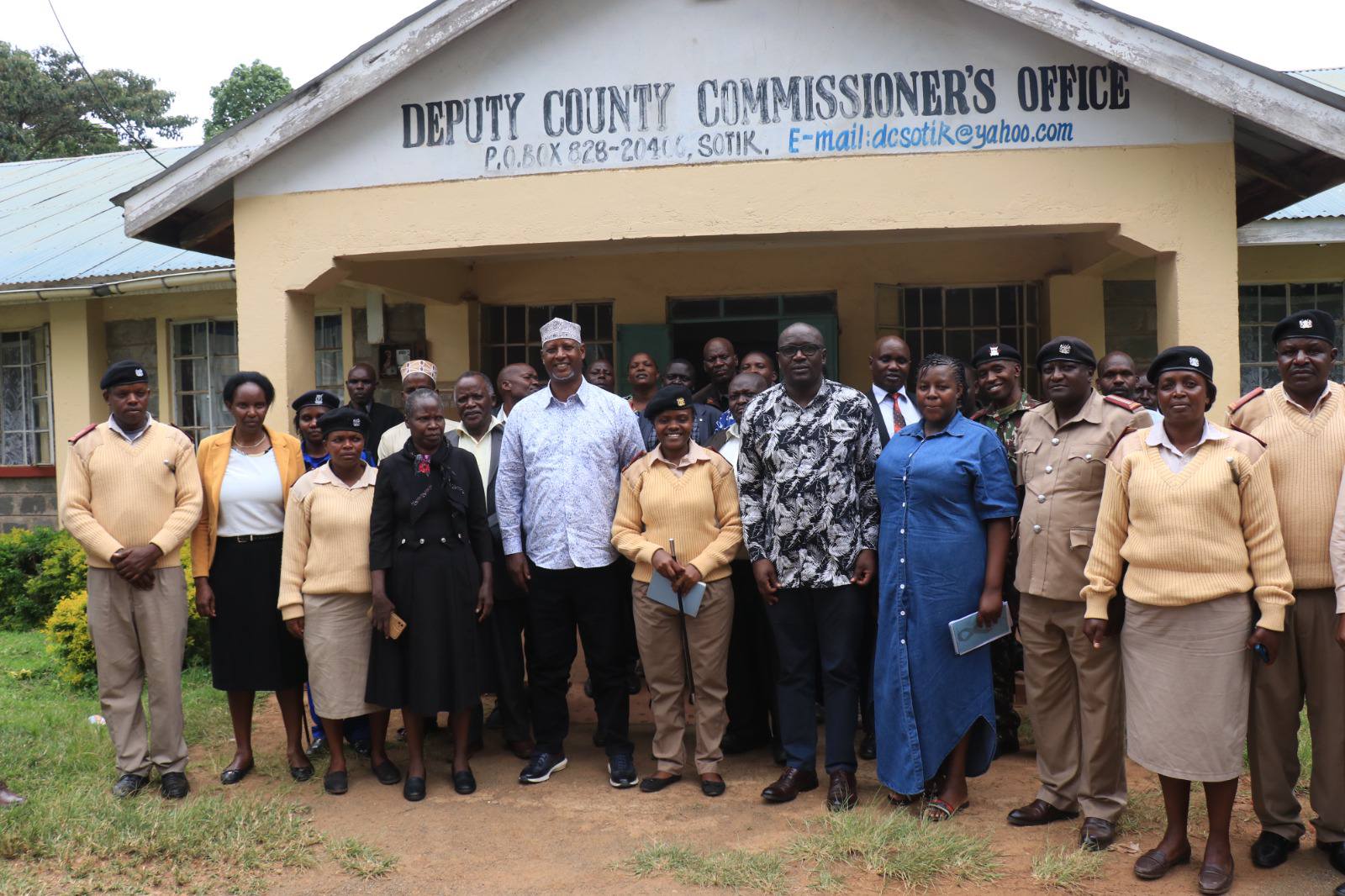
Members of the National Assembly have raised concerns over persistent delays in the issuance of national identification documents in Sotik Sub-County, citing inadequate resources, weak infrastructure, and policy gaps affecting service delivery.
The concerns emerged during an oversight visit by the Departmental Committee on Administration and Internal Security led by Hon. Co. (Rtd.) Dido Raso Ali, which inspected the registration of birth certificates, death certificates, and national identity cards under the National Registration Bureau and Civil Registration Department.
The delegation included Suna West MP Peter Masara, Homa Bay Town MP Peter Kaluma, and Lari MP Mburu Kahangara, who engaged local officials on operational bottlenecks affecting registration services.
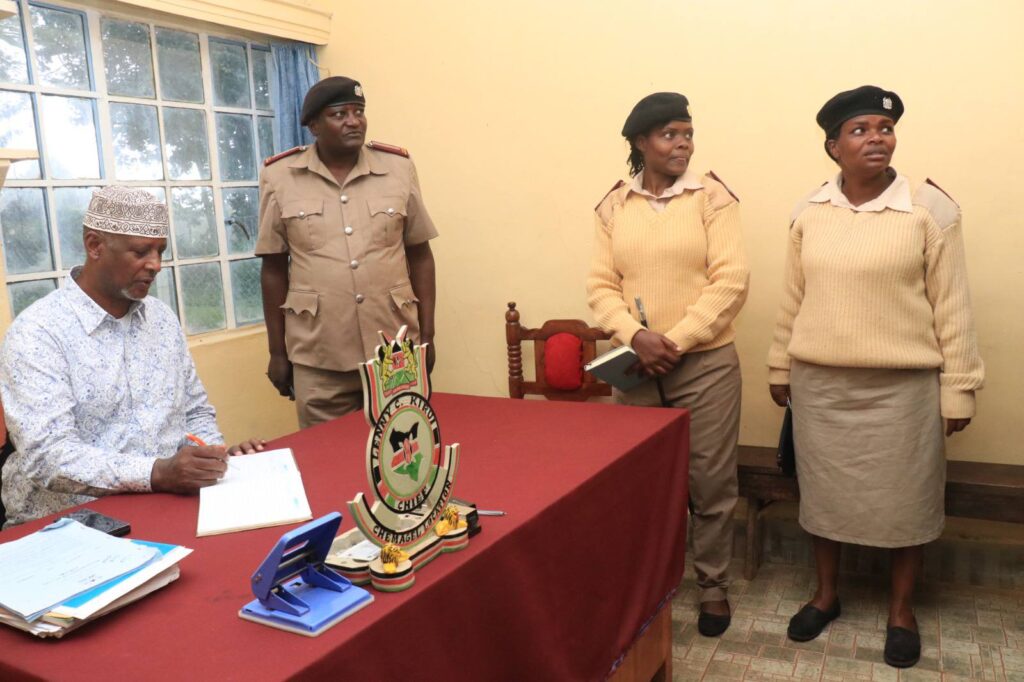
Sotik Sub-County Principal Registrar Peris Kogei told MPs that while the removal of vetting and fees had significantly boosted registration numbers, operational constraints were slowing service delivery.
“Out of a target of 6,800 new registrations, we have so far achieved about 4,059. For duplicate IDs, we have processed 744 out of a target of 1,200,” said Ms Kogei.
Unreliable Internet Connectivity
She attributed the increase to recent policy changes that eliminated vetting and application fees.
“The numbers have gone up because most residents here are farmers, and the removal of charges has encouraged more people to apply,” she said.
Kogei also cited unreliable internet connectivity and inadequate office space, noting that the registration office is currently housed within a correctional facility.
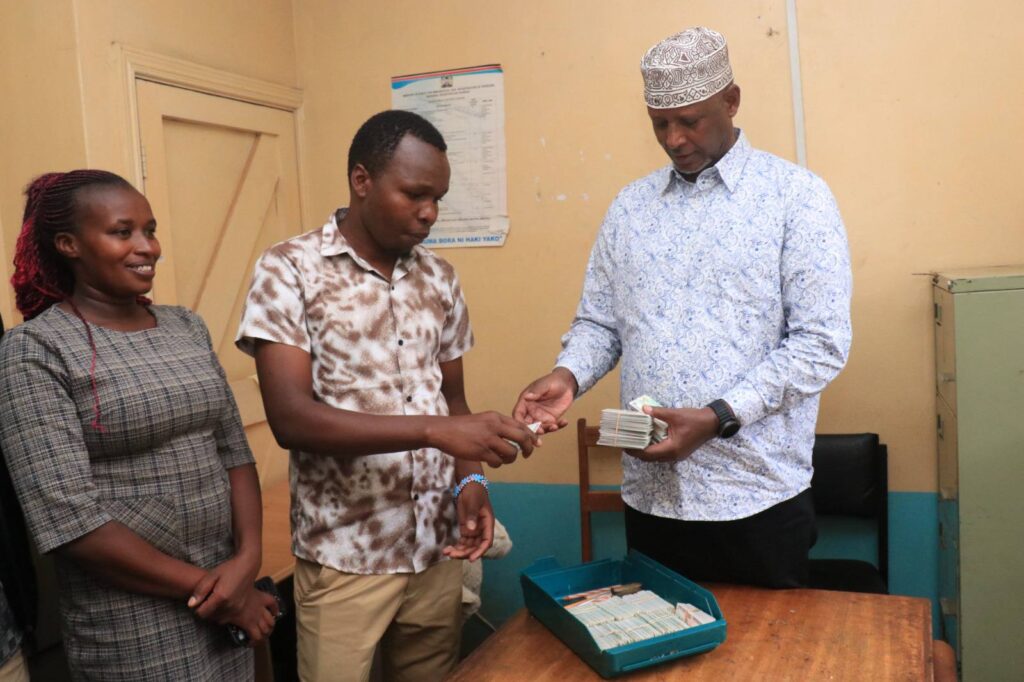
“Our office is small and lacks stable internet, which limits our ability to track applications and serve clients efficiently,” she added.
She revealed that more than 5,600 processed IDs remain uncollected, attributing the situation to population mobility, though many documents are eventually collected through local chiefs.
On average, she said, ID processing takes about 21 working days, although verification challenges can cause delays.
During the engagement, MPs questioned the continued requirement for parental identification documents despite applicants presenting birth certificates.
The MPs also questioned the continued requirement for parental identification documents despite applicants presenting birth certificates.
Hon. Kaluma challenged the practice, arguing that a birth certificate should be sufficient proof of citizenship.
“If I already have a birth certificate issued through a credible government process, why should I still be required to produce my parents’ IDs?” he posed.
He urged a policy review to simplify the process and ease access to identification documents, particularly for the elderly and vulnerable groups.
The registrar, however, maintained that supporting documents were necessary to confirm identity, especially in complex cases such as applicants without parental records or those in inter-community marriages.
“We do not deny anyone an ID, but we must follow procedures to avoid errors. In some cases, chiefs help verify identity where documentation is lacking,” she said.
On civil registration, Sotik Sub-County Civil Registrar Phoebe Ojalla said most births—about 90 per cent—are recorded, but challenges persist in death registration.
“Some deaths occur at home or on the way to hospital, making it difficult to obtain the necessary documentation for registration,” she said.
Committee members also raised concerns about digitisation and data protection, warning of potential vulnerabilities.
Hon. Rasso cautioned that while digitisation improves efficiency, it also exposes sensitive data to risks.
“It is a delicate balance. Data can easily be compromised if proper safeguards are not in place,” he said.
Follow our WhatsApp Channel and Facebook for Instant Updates

