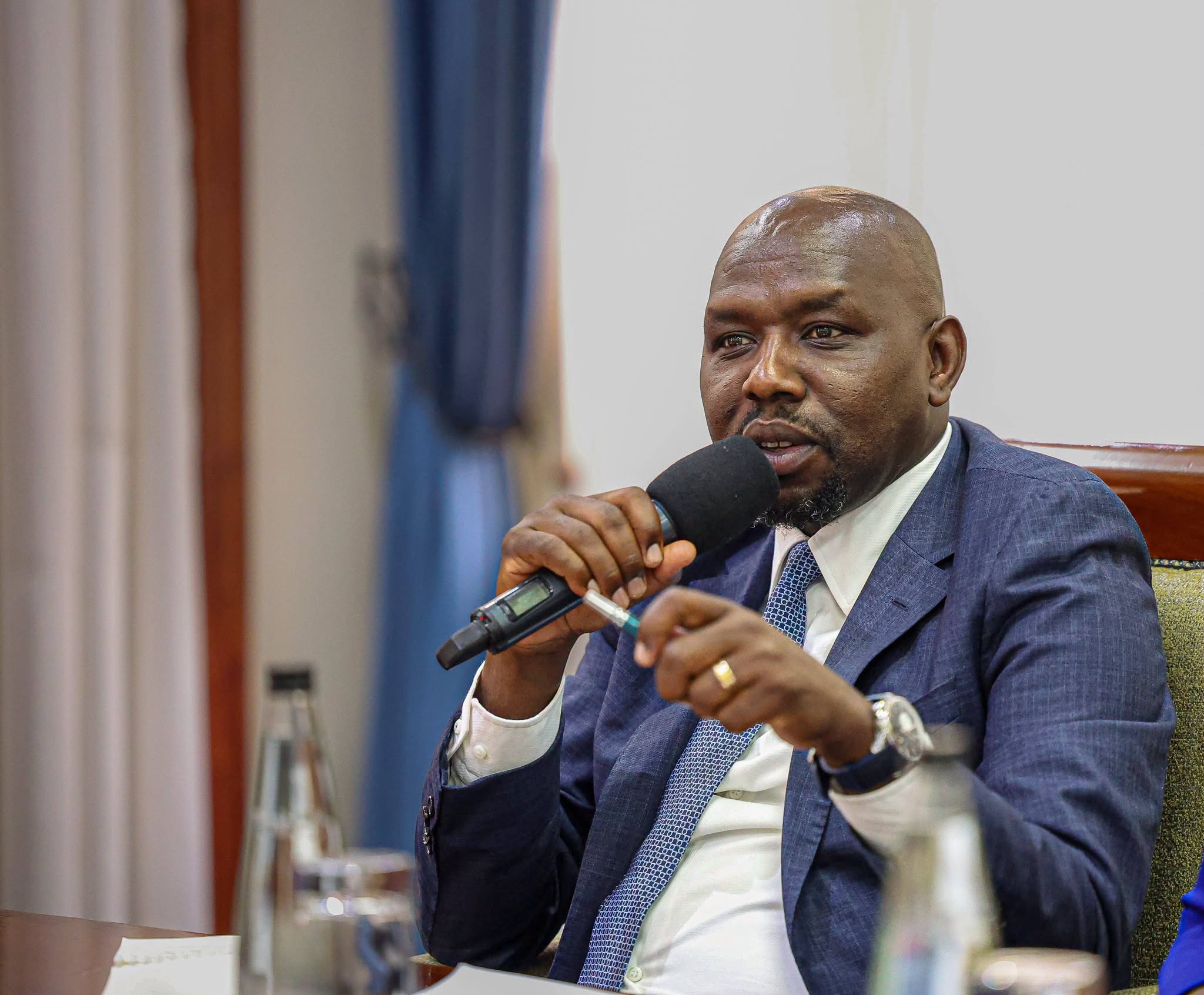
Interior and National Administration Cabinet Secretary Kipchumba Murkomen has declared a one-month amnesty for individuals holding illicit firearms, ammunition and other associated items to voluntarily surrender the weapons to authorities.
The amnesty was announced on Tuesday during the launch of Africa Amnesty Month 2026 at the Kenya School of Government in Nairobi, with Inspector-General of Police Douglas Kanja delivering Murkomen’s speech.
Murkomen urged Kenyans in possession of illegal small arms and light weapons to take advantage of the amnesty window and surrender them voluntarily, saying disarmament remains critical to restoring lasting peace in communities affected by armed violence.
“Conflicts must not be settled by the might of a firearm, but by the force of law. The property of one community can no longer be allowed to change hands through the crack of gunfire, but through willing exchange in the marketplace,” Murkomen said.
Murkomen’s fresh push to recover illegal guns
The announcement comes as the government intensifies its campaign to recover illicit firearms in banditry-prone areas, particularly in parts of northern Kenya and the Rift Valley.
Just two days before the amnesty announcement, Murkomen said security agencies were stepping up operations in Samburu and Isiolo to recover illegal guns and ammunition.
The CS said the government had recovered about 3,000 illegal firearms and 8,000 rounds of ammunition in banditry-prone areas over the previous one-and-a-half years, while warning that efforts to mop up the remaining weapons would continue.
Murkomen has also announced plans for intensified security operations along parts of the Turkana-West Pokot and Turkana-Baringo borders, where illegal firearms have continued to fuel insecurity. He said security agencies would target criminal networks involved in the acquisition and use of illegal weapons.
More than 1,200 guns surrendered in Kerio Valley
The government has previously recorded significant voluntary surrender of firearms in the Kerio Valley.
In February, Murkomen said more than 1,200 illegal firearms had been voluntarily surrendered in parts of the Kerio Valley following government disarmament and community engagement efforts.
He said the government was extending firearm-recovery initiatives to areas including Turkana, Laikipia, Isiolo and Meru, while also supporting the rehabilitation and reintegration of former bandits.
The latest amnesty therefore provides another opportunity for holders of illegal weapons to hand them over voluntarily as authorities combine community-based disarmament with targeted security operations.
Previous amnesty periods have preceded tougher action
Kenya has previously used amnesty periods before moving to compulsory disarmament operations.
In July, the government announced plans for forceful disarmament in Tana River after a 60-day amnesty for the surrender of illegal firearms expired. The move followed deadly inter-community clashes in the county.
The government has also destroyed thousands of recovered weapons. In June 2025, President William Ruto and security officials presided over the destruction of more than 6,000 illegal firearms in Ngong, Kajiado County. The weapons had been recovered between 2022 and 2025, with the majority voluntarily surrendered through amnesty programmes and community disarmament campaigns.
Africa-wide campaign
The Kenyan initiative is part of the wider Africa Amnesty Month, an African Union-backed campaign held every September to encourage the voluntary surrender and collection of illegally owned small arms, light weapons and ammunition.
The African Union says the initiative is intended to support its broader “Silencing the Guns” agenda by reducing the circulation of illicit weapons, promoting community peacebuilding and strengthening national arms-control mechanisms.
The regional challenge remains significant. Kenya’s latest State of National Security report identified illicit small arms and light weapons as a threat to national security and noted arms-trafficking routes linked to conflicts and porous borders in the wider Horn of Africa and Great Lakes region.
A 2026 regional assessment by the Regional Centre on Small Arms (RECSA) also identified continuing weaknesses in areas including cross-border cooperation, civilian licensing, border controls, tracing and the collection and destruction of illicit weapons.