Ruto Declares War on Alcohol and Drugs, Labels Abuse a National Security Emergency
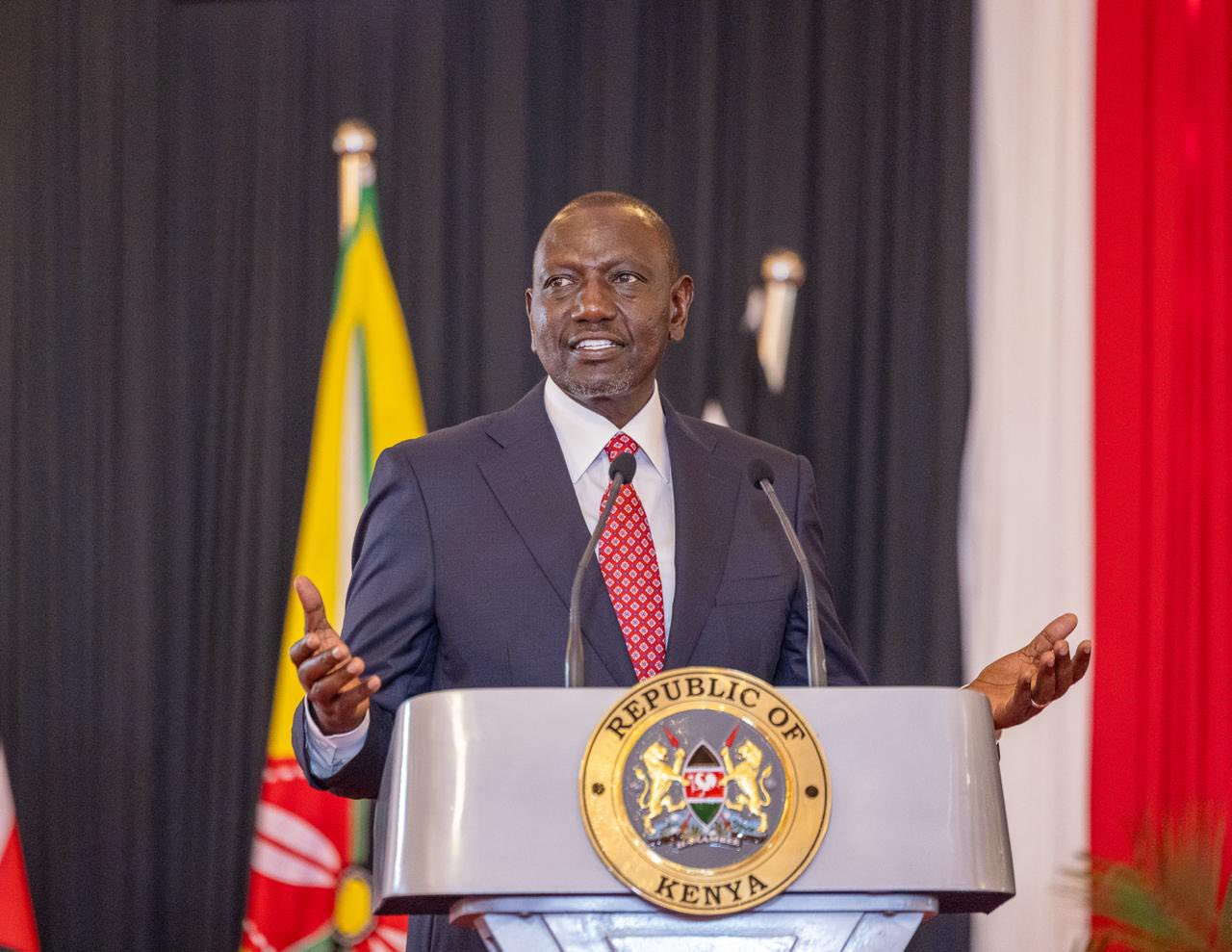
President William Ruto delivers his new year message to kenyans in Eldoret. He announced teh governemnt would prioritise wars on alcohol and drug abuse. Photo/Facebook

By Gilbert Kimutai
Published on December 31, 2025
For decades, alcohol and illicit brews have been a silent but destructive force in Kenyan households, cutting short dreams, draining livelihoods, and hollowing out communities. On the final day of 2025, President William Ruto struck a defiant tone, declaring that the long-running menace had reached its breaking point.
Speaking in Eldoret during his New Year’s address on Wednesday, December 31, 2025, President Ruto announced that alcohol and drug abuse would no longer be treated as a social inconvenience but as a full-blown national emergency, on par with terrorism and organised crime.
“Alcohol and drug abuse have become a clear and present danger to Kenya’s health, security, and economic future,” the President said, warning that the crisis had silently grown into one of the country’s gravest threats.
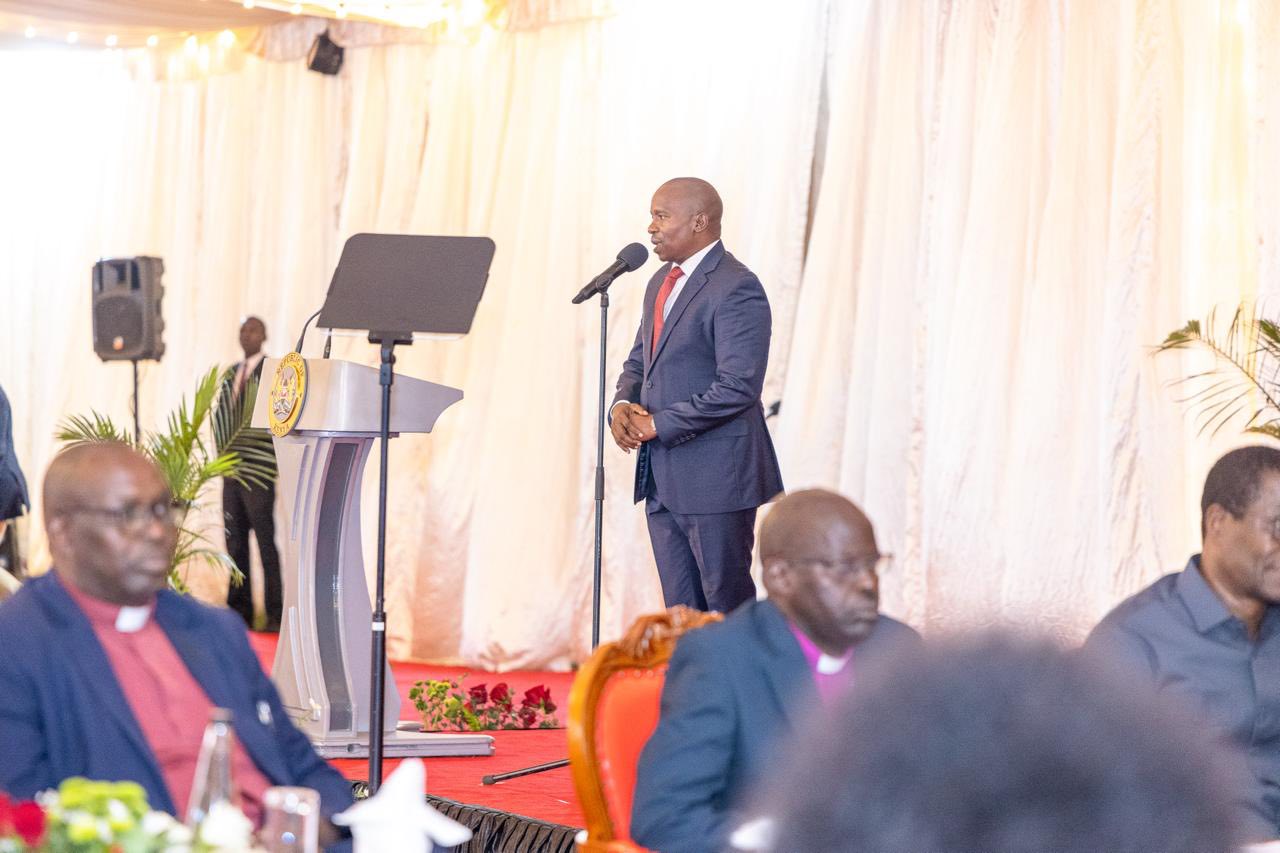
Deputy President Kithure Kindiki who was among the guest during the event to welcome the new year.
According to figures cited by the Head of State, the scale of the problem is staggering. More than 4.7 million Kenyans,roughly one in every six citizens aged between 15 and 65 , are currently using at least one drug or substance of abuse. Men and young people bear the brunt, with alcohol remaining the most commonly abused substance across regions and age groups.
Even more troubling, Ruto noted, is how early exposure is fuelling the crisis. Initiation into alcohol and drugs often occurs between the ages of 16 and 20, but in some cases begins as early as seven years old, a reality the President described as a direct threat to the nation’s future.
From 2026, the government’s response will dramatically intensify. Ruto announced that alcohol and drug abuse would be confronted as both a development and security emergency, signalling a shift from piecemeal enforcement to an aggressive, coordinated crackdown.
Central to the strategy is the creation of a strengthened Anti-Narcotics Unit within the Directorate of Criminal Investigations (DCI), with operational capacity comparable to the elite Anti-Terrorism Police Unit. The unit will be fully resourced and expanded to operate across the country.
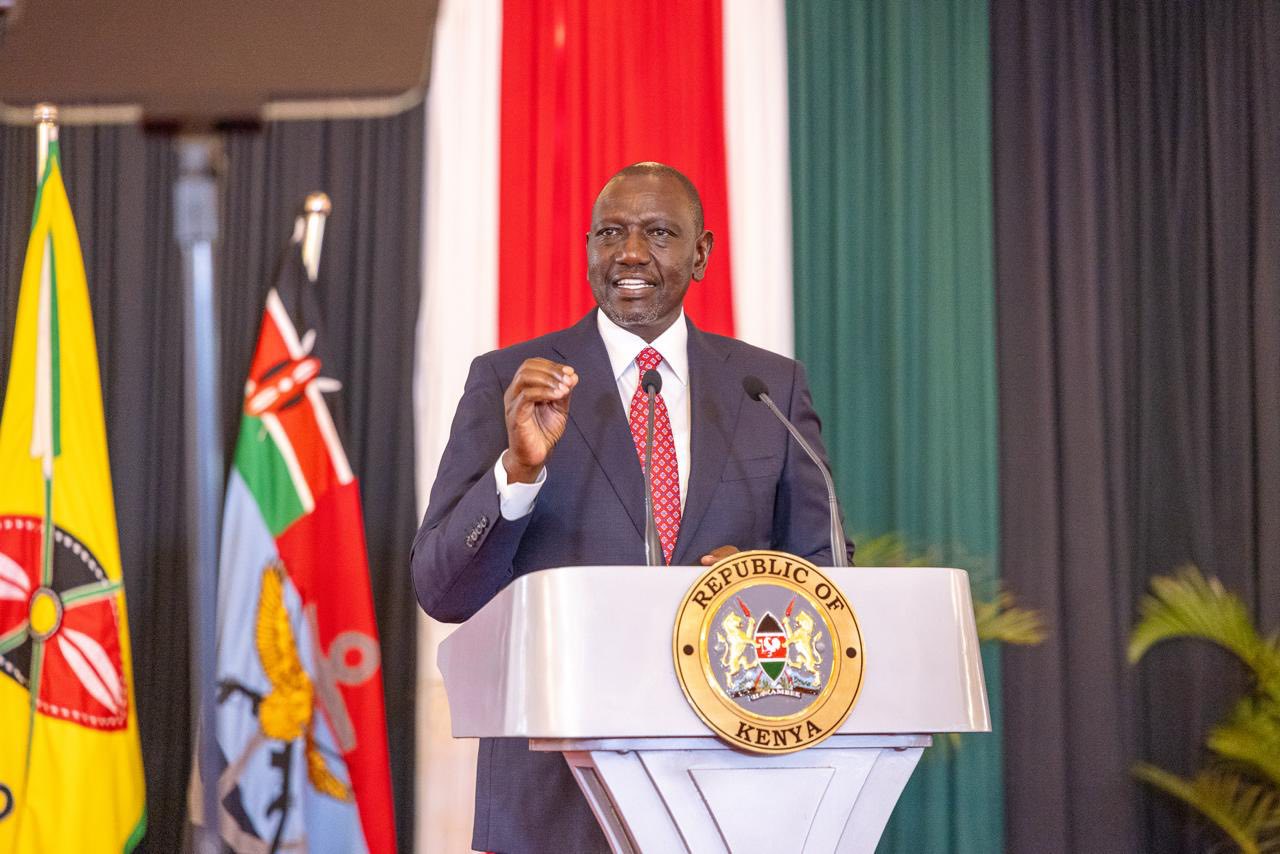
President William Ruto delivers his new year message to kenyans in Eldoret. He announced teh governemnt would prioritise wars on alcohol and drug abuse. Photo/Facebook
In a stern warning, the President said no one in government would be spared.
“Any government official, including security officers, found culpable of facilitating, protecting, or colluding with drug traffickers or illicit alcohol networks will be prosecuted and dismissed forthwith from the service,” Ruto declared.
The announcement comes against a sobering social backdrop. Just a day earlier, a survey by Infotrak revealed that nearly half of Kenyans are grappling with depression, with many turning to alcohol and drugs as coping mechanisms amid mounting economic pressures.
By linking substance abuse to both security and economic wellbeing, Ruto framed the fight as one that extends beyond law enforcement — touching on public health, productivity, and the survival of families.
As the President concluded his address, he called for collective responsibility, warning that failure to act decisively would amount to abandoning Kenya’s children and future generations.
Whether this renewed war on alcohol and drugs will finally slay the “dragon” that has haunted the country for generations now rests on the resolve of the state — and the cooperation of the society it seeks to protect.
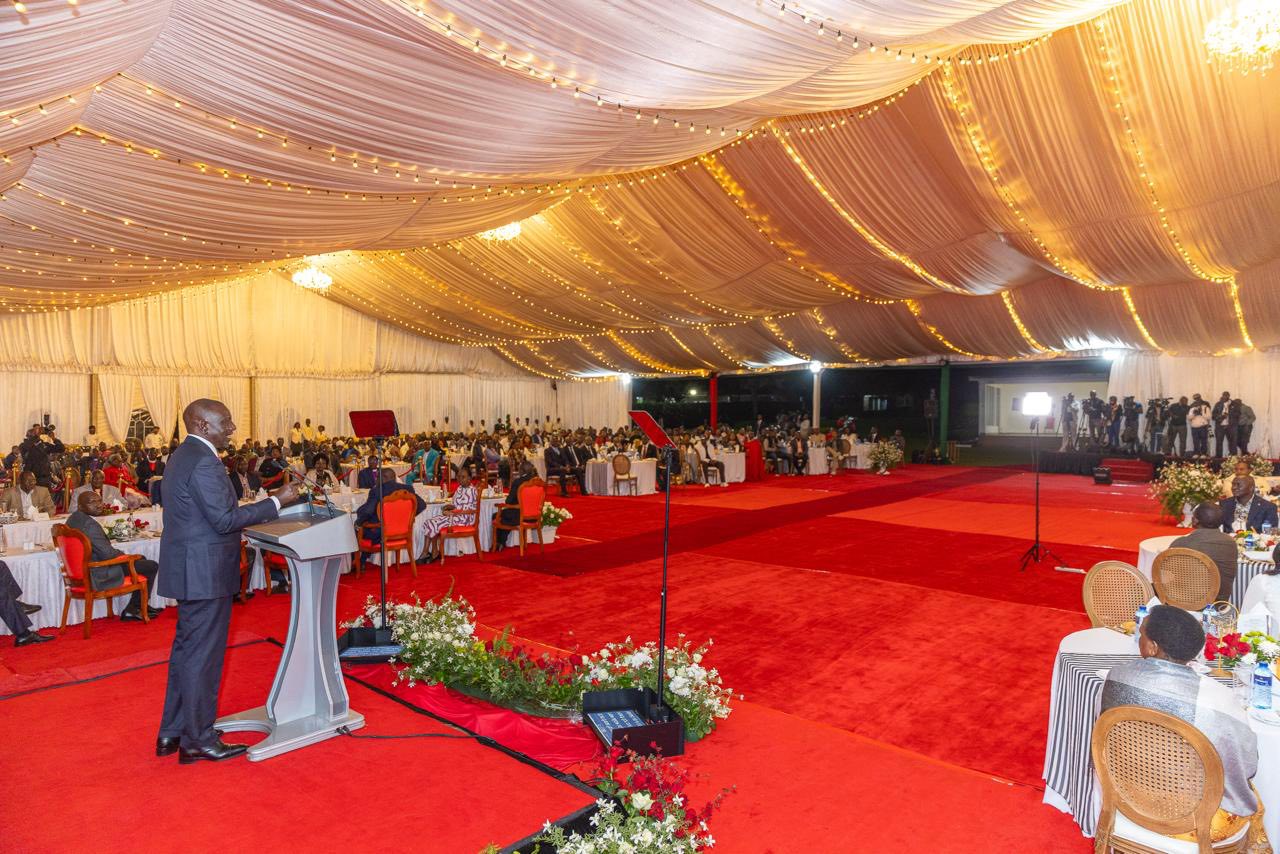
President William Ruto delivering his New Year 2026 message to Kenyans in Eldoret.
Comments Below