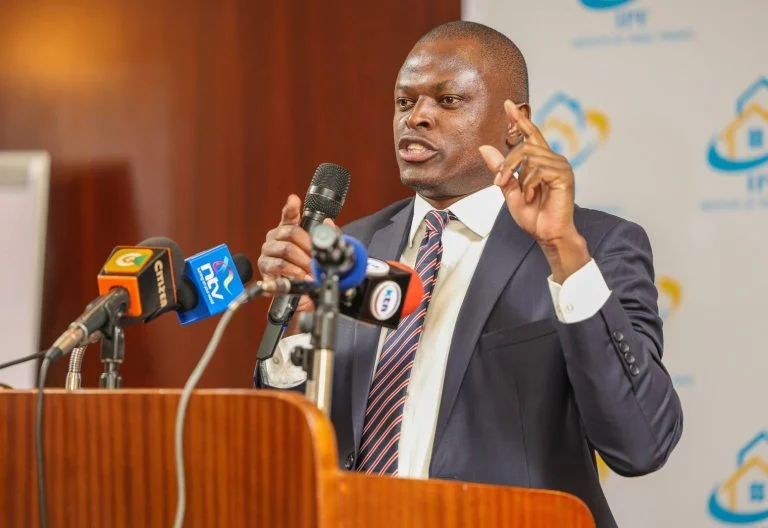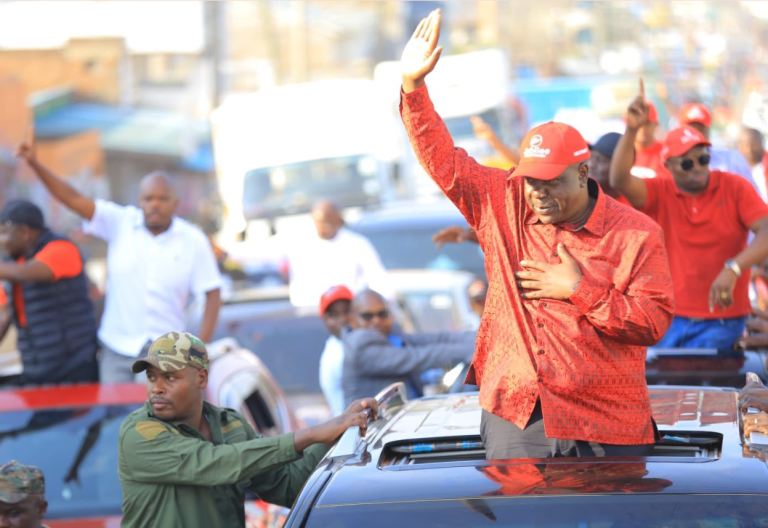
Former Interior Cabinet Secretary Fred Matiangí has renewed calls for the publication of Kenya’s Government-to-Government (G2G) petroleum agreement, following fresh revelations by Ugandan President Yoweri Museveni about the role of middlemen in fuel supplies through Kenya.
Matiangí said he had previously opposed the arrangement and called for the agreement to be made public, arguing that Kenyans should know how the deal was structured and who benefited from it.
His latest statement comes after Museveni said Uganda had been purchasing petroleum products through intermediaries in Kenya and paying higher premiums before Kampala changed its procurement model.
According to figures presented during Museveni’s remarks, Uganda’s premium for diesel fell from $118 to $83 per metric tonne, while the premium for petrol dropped from $97.50 to $61.50 after the country shifted towards direct procurement involving Uganda National Oil Company (UNOC) and Vitol.

Matiangí now wants the Kenyan government to publish the G2G agreement in full and explain how intermediaries featured in an arrangement presented as government-to-government procurement.
“Kenyans deserve transparency and accountability. The G2G agreement must be published in full. The role of the middlemen must be disclosed and scrutinized.”
He also called for the National Oil Corporation of Kenya (NOCK) to be restored to what he described as its proper role in securing petroleum supplies and helping stabilise the domestic fuel market.
The controversy has renewed questions about why state-owned institutions were not at the centre of the G2G arrangement. In April, the Energy and Petroleum Regulatory Authority (EPRA) said NOCK had initially been proposed as the local counterpart, but Gulf suppliers preferred working with companies with which they already had established commercial relationships.
The government has previously defended the G2G arrangement, saying it helped secure uninterrupted fuel supplies and reduce shortages and price volatility.
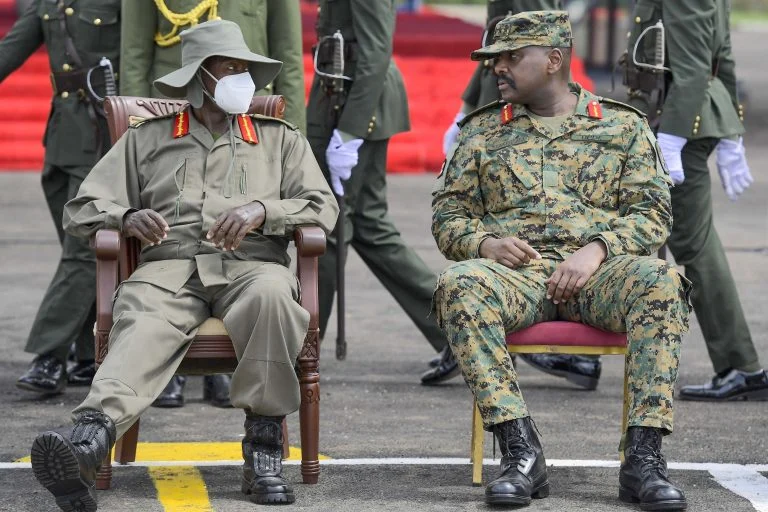
Museveni’s latest remarks have nevertheless triggered renewed demands for scrutiny of the Kenyan arrangement, including calls for disclosure of intermediaries, commissions, contracts and pricing formulas.
Matiangí argued that the issue ultimately comes down to accountability in the management of public resources.
“When public money is involved, secrecy cannot be the policy. Kenyans deserve to know who benefited, at what cost, and why.”