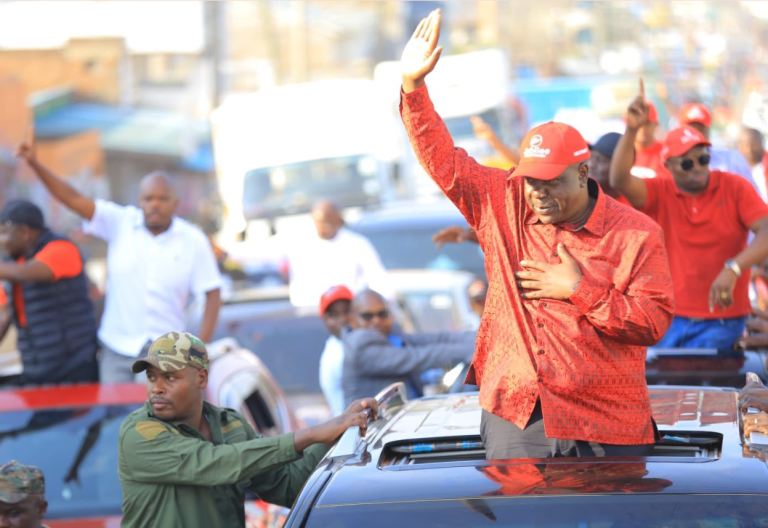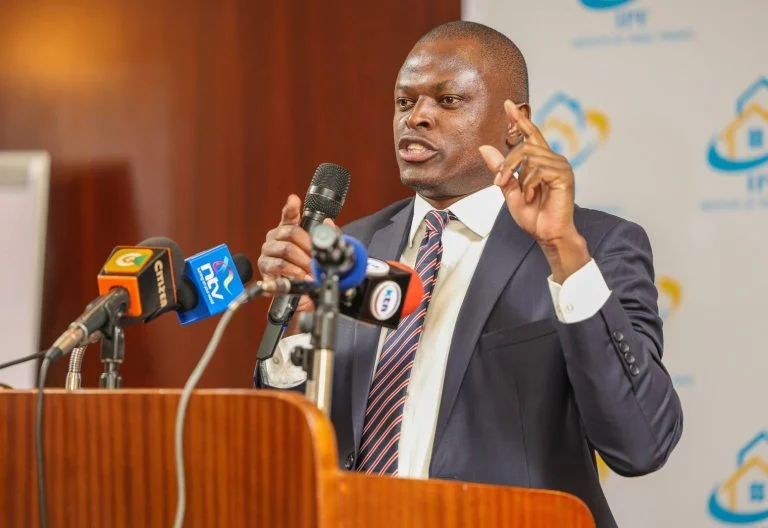
People’s Party of Kenya (PPK) leader Ndindi Nyoro has accused senior government officials associated with Kenya’s Government-to-Government (G2G) fuel arrangement of using the deal to enrich themselves at the expense of Kenyans.
Nyoro made the allegations on Saturday, September 19, while addressing a political meeting in Njiru, Kasarani, where he also challenged President William Ruto to stop attacking former President Uhuru Kenyatta.
The Kiharu MP claimed the controversy surrounding Kenya’s G2G fuel arrangement extended beyond Uganda’s concerns over petroleum middlemen, alleging that individuals linked to the system were also targeting Kenya’s oil resources in Turkana.
“Broker Museveni alikuwa anasema ni hawa wakubwa wa hii serikali. Wanaiba pesa ya Wakenya kutumia G2G,” Nyoro said.
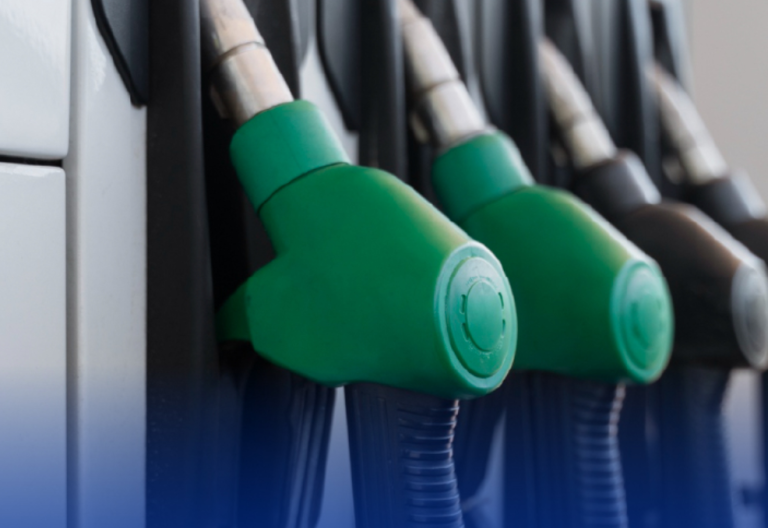
He further alleged that those running the G2G system were exploiting their positions to make money from the petroleum sector.
“Hawa watu hawa wenyewe wenyewe, wenye G2G, ndio wanaiba pesa yetu na ndio wanaiba mafuta yetu ya kule Turkana,” he said.
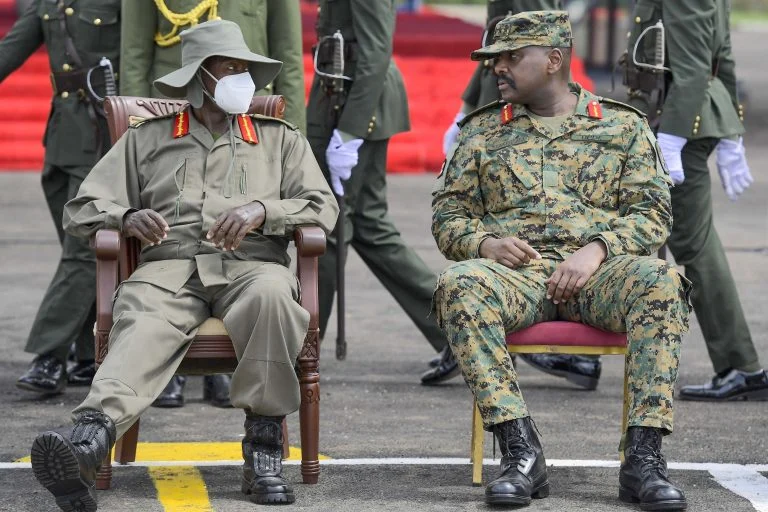
Nyoro’s remarks come days after Ugandan President Yoweri Museveni disclosed that a Kenyan senator had alerted him that Uganda was purchasing petroleum products through intermediaries in Kenya.
Museveni said the revelation prompted Uganda to review its fuel procurement arrangements and seek more direct sourcing of petroleum products.
The issue has since triggered renewed scrutiny of Kenya’s G2G fuel arrangement, with opposition leaders calling for greater accountability. DAP-K leader Eugene Wamalwa, for instance, has said the arrangement should be revisited, and those responsible should be held accountable for its financial impact.

The Kenyan government has previously defended the G2G arrangement, saying it helped maintain stable fuel supplies and shield consumers from volatility in international oil markets.
Nyoro’s comments also come as Kenya advances plans to commence commercial oil production in Turkana. The government said in May that production from the South Lokichar Basin was expected to begin before the end of 2026, with the first crude oil consignment projected for export in December.
The Turkana oil project has itself attracted calls for stronger oversight, with parliamentary committees previously hearing concerns over cost recovery, transparency and the need for independent auditing of revenues from the project.
Nyoro vowed that those he accused of exploiting Kenya’s petroleum resources would not be allowed to continue doing so.
“Na hatutaruhusu muibe utajiri wa nchi ya Kenya!” he said.