Linet Toto’s rise from grass to grace is the kind of political fairy tale that Kenya occasionally produces, and almost always celebrates before asking how the story might end.
It began, as many modern political careers do, not with a manifesto, a policy paper or a carefully choreographed campaign, but with a photograph.
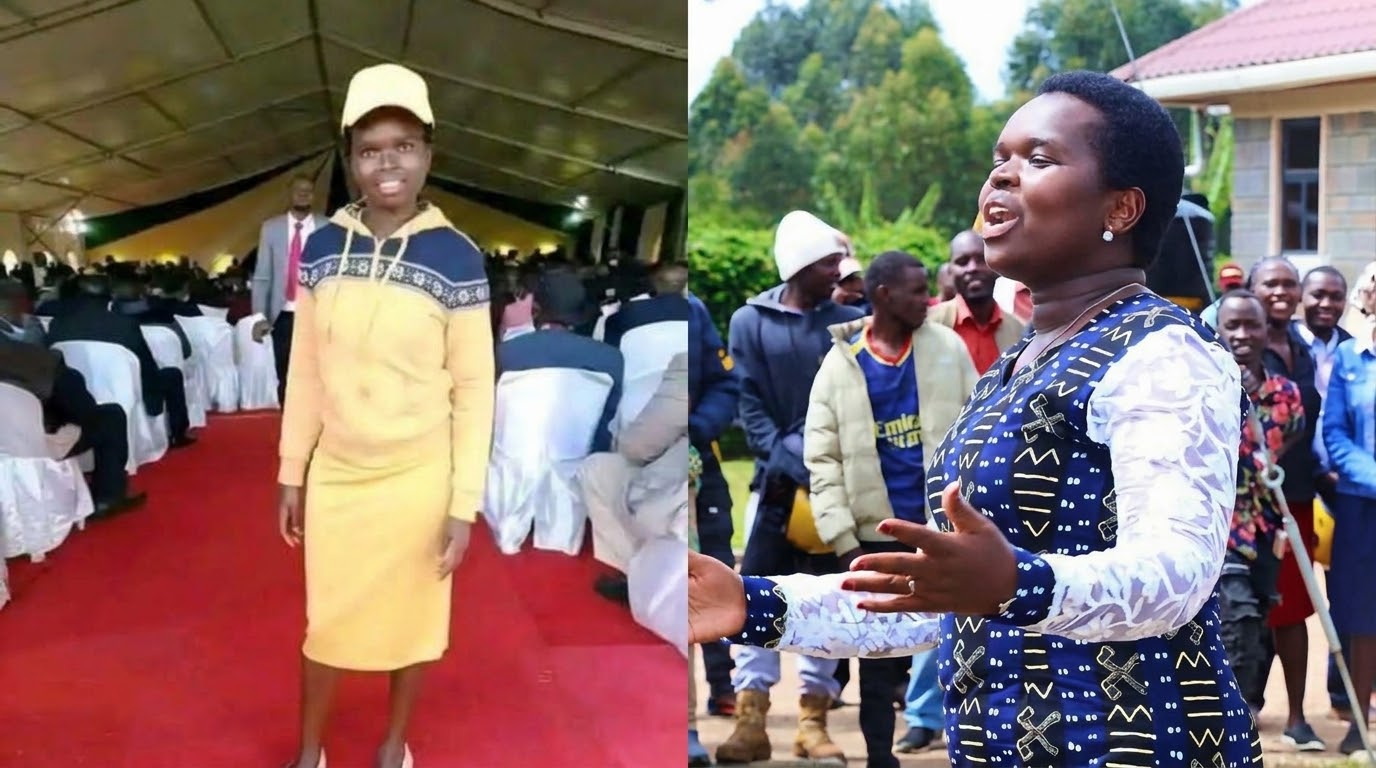
Years ago, during a delegation’s visit to UDA party leader and then Deputy President William Ruto, a photograph of a young, rather unpolished woman dressed in the party’s ill-fitting, budget-conscious fashion found its way onto social media.
She looked less like a politician preparing to conquer Parliament than an ordinary village girl who had somehow wandered into the corridors of power.But the internet saw something else.
Overnight, the photograph became a political sensation. Who was this woman? Where had she come from? And why did she look so much like the people who rarely found themselves in the company of the powerful?
Also Read: Linet Toto’s Bomet political warning: Why one awkward rally moment could matter ahead of 2027
The sympathy was immediate, almost sentimental. If our vote is what it takes to make this woman happy, then let it be our vote, went the refrain.
And just like that, Linet Toto was born—not merely as a name on a ballot, but as a political idea. A symbol of the possibility that even the most unassuming among us could rise, armed with little more than audacity, a photograph and the goodwill of strangers.
In 2022, she rode that wave to Parliament, defeating several experienced contenders to become Bomet Woman Representative.

Yet politics, unlike fairy tales, does not end at the coronation.
The same public that lifts a politician onto its shoulders can, with equal enthusiasm, demand an explanation for the distance between the promise of her rise and the realities of her reign.
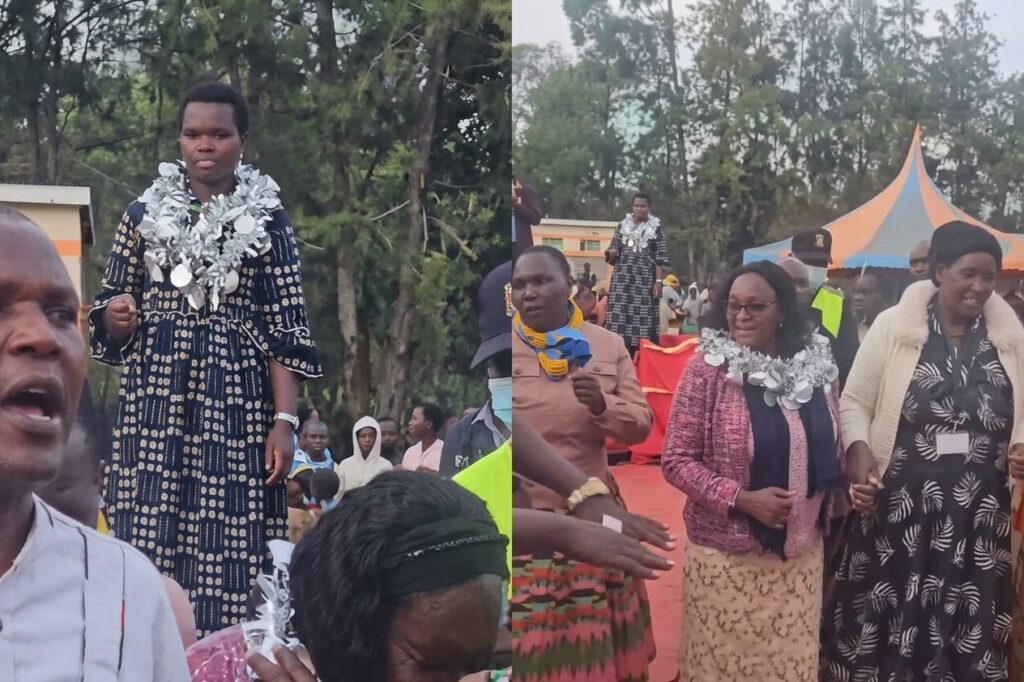
The latest viral photograph appears to have brought Toto’s story full circle.
This time, she is decently dressed, polished and considerably removed from the image of the struggling village girl who once captured the nation’s imagination.
Also Read: Damned if he speaks, damned if he stays silent: Isaac Ruto’s political limbo
Married, financially established and enjoying the privileges that come with public office, she now finds herself watching a crowd that appears more interested in celebrating her opponent than in applauding her.
Perhaps the shock is not that the crowd has moved on, but that it has done so rather quickly.
Toto may have underestimated how fragile the goodwill that propelled her into office could be.
The people who once saw her as one of their own may now be asking whether she still sees them that way.A few weeks ago, she supplied the internet with another reason to question that bond.
In referring to Bomet’s male population as kipsuluali—a derogatory expression that reduces men to mere trouser-wearers, supposedly without any special distinction—Toto set social media alight.
It was an unfortunate choice of words, particularly for a politician whose original appeal rested heavily on her identification with ordinary people.
Perhaps she did not anticipate how quickly the remark would travel or how readily it would be weaponised by political opponents.
But in politics, words have a habit of acquiring lives of their own. And when your political identity is built on being one of the people, appearing to belittle a section of that same constituency can be an expensive mistake.
For Toto, the candle that once illuminated her extraordinary ascent may now be flickering in the winds of political expectation.
In Bomet’s unforgiving theatre of power, the question is no longer who she was when the photograph went viral, but who she has become, and whether the woman who once embodied hope is now confronting her own Waterloo.