The State Department for Youth Affairs and Creative Economy is facing a Ksh7.9 billion budget shortfall that could undermine planned youth empowerment, job creation and employment initiatives in the 2027/28 financial year.
Principal Secretary Fikirini Jacobs told the National Assembly’s Departmental Committee on Social Protection on Monday, November 23, that the department had requested Ksh14.1 billion to implement its programmes but was allocated only Ksh6.2 billion in the 2027 Budget Policy Statement (BPS).
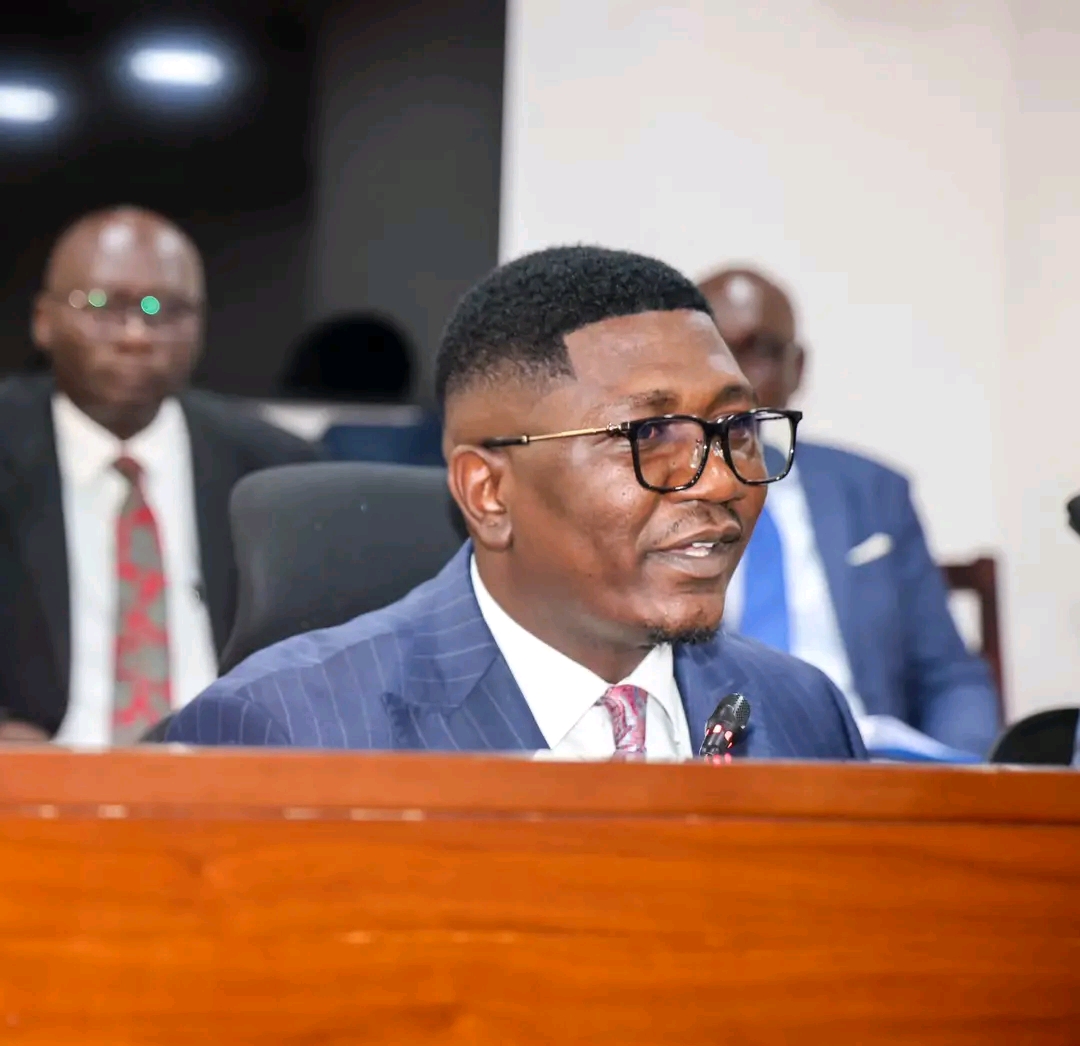
Appearing before the committee chaired by Kipkelion West MP Hillary Kosgei at Bunge Tower, Jacobs warned that the funding gap had left several priority programmes either underfunded or without the resources required for implementation.
Also Read: Ruto: Fertilizer talks sparked Dangote partnership
“The State Department presented to the sector working group a gross resource requirement of Ksh14.1 billion to support the implementation of various programmes in FY 2027/28.
However, the FY 2027 BPS has allocated Ksh6.2 billion,” Jacobs told lawmakers.The PS appealed to Parliament to intervene and push for additional funding to protect programmes targeting young people across the country.
Youth Department Operating at 42 Per Cent Staffing Capacity
Besides the budget deficit, the department is grappling with a staffing crisis that has affected its ability to deliver services.
Jacobs revealed that the department currently has 564 officers against an approved establishment of 1,342, translating to a staffing capacity of just 42 per cent.
He attributed the shortage partly to the failure to replace officers who have exited the service, warning that the situation had adversely affected operations.
Although the Public Service Commission (PSC) has approved a new human resource structure for the department, Jacobs said an additional Ksh176 million was required to recruit technical personnel and fill vacant positions.
Also Read: National Youth Council Distances Itself from Calls for PS Fikirini Jacobs’ Resignation
The department wants Parliament to help secure the additional resources to strengthen its workforce and improve service delivery.
Youth Empowerment and Overseas Jobs Targets
Despite the funding constraints, the department has outlined several programmes it intends to implement under the Ksh6.2 billion allocation.Under the Youth Enterprise Development Fund (YEDF), the department plans to disburse Ksh400 million to 14,032 young beneficiaries while training 40,000 youths in entrepreneurship.
Another 30,000 young people are expected to receive enterprise skills training to prepare them for employment opportunities abroad.
Through the National Youth Opportunities Towards Advancement (NYOTA) project, the department is targeting 22,200 young people for apprenticeship placements and plans to train 15,000 others in socio-emotional skills.
The initiatives are part of broader government efforts to address youth unemployment by equipping young people with skills and creating pathways into employment and entrepreneurship.
Eight New Youth Empowerment Centres Planned
The department also plans to expand infrastructure and community-based programmes targeting young people.Its targets include constructing and equipping eight new Youth Empowerment Centres while renovating five existing facilities.
The centres are expected to serve approximately 385,000 young people.Additionally, the department intends to engage 68,400 youths through multigenerational Kikao forums and register 12,500 participants under the President’s Award volunteerism programme.
Also Read: CBK Announces 2026 Internship Programme, Lists Qualifications and December Deadline
On policy and legislative reforms, the department said the 2027 Budget Policy Statement ceilings would support the finalisation and implementation of the Youth Bill 2025.
It also plans to review the National Youth Council Act of 2009 and the Youth Development Policy 2019.
Another priority is the rollout of the Kenya Youth Development Index, which is expected to provide data to guide government decisions and interventions targeting young people.
However, the Ksh7.9 billion funding gap raises questions about how the department will finance its ambitious targets while operating with limited resources and a significantly understaffed workforce.