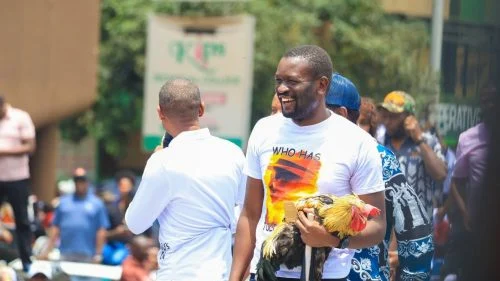
The death of Raila Odinga has changed the calculations inside Kenya’s opposition, but it has not settled the question of who will command the political space he occupied for decades.
Instead, a new contest is emerging, not simply over who succeeds Raila, but over who can assemble enough political networks, regional support, young voters and party structures to form a viable national coalition ahead of the 2027 General Election.
At the centre of that contest is Nairobi Senator Edwin Sifuna and his Linda Mwananchi movement.
But Sifuna is not operating in an empty political field.
Wiper leader Kalonzo Musyoka, former Interior Cabinet Secretary Fred Matiang’i, former Deputy President Rigathi Gachagua and other opposition figures are also positioning themselves as the country moves towards the next election.
The result is a fluid opposition landscape in which personal popularity, party machinery, regional bases and coalition negotiations are all colliding.
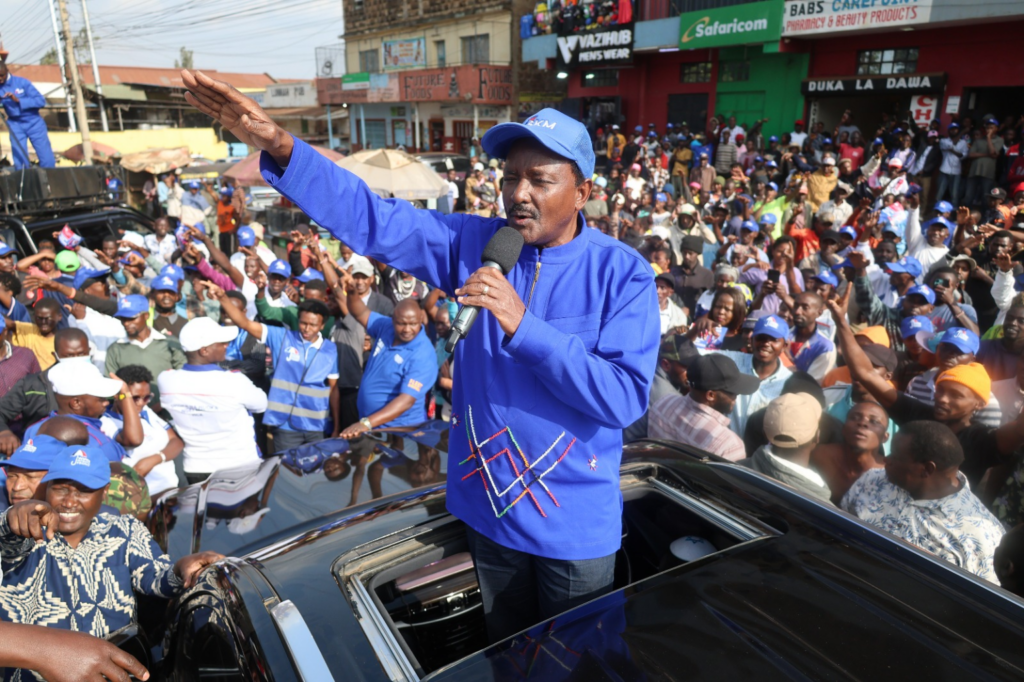
Here are the seven battles political watchers will be watching.
1. Who takes control of the post-Raila opposition space?
Raila’s political influence stretched across regions and generations, making his departure particularly significant for the opposition.
The immediate question is whether his former political networks will remain under one umbrella or be distributed among several competing formations.
His movement has toured more than 18 counties and attracted politicians from different regions before holding a major Nairobi rally at Jacaranda Grounds on September 13.
But the post-Raila opposition space is larger than ODM or Linda Mwananchi.
Kalonzo has an established national political network. Matiang’i brings experience from government and a recognisable national profile. Gachagua is building the Democracy for Citizens Party (DCP) while attempting to expand beyond his Mount Kenya base.
The emerging contest is therefore less about one successor and more about which political network can attract the largest coalition of interests.
2. Can Sifuna turn protest energy into electoral organisation?
This could be Sifuna’s biggest political test.
He has considerable visibility among younger Kenyans, particularly after the 2024 Gen Z protests, when issues such as taxation, accountability and the cost of living became central to national political debate.
Linda Mwananchi has subsequently taken that message into different parts of the country.
But political mobilisation and elections operate differently.
A rally measures attendance.
Social media measures engagement.
An election requires voters to register, turn out and vote.
The Independent Electoral and Boundaries Commission (IEBC) has already been expanding the voter register ahead of 2027. During the first phase of its Enhanced Continuous Voter Registration exercise launched in March 2026, the commission set a target of registering 2.5 million new voters.
That makes youth mobilisation particularly important.
But young voters cannot automatically be treated as one political bloc. Their interests differ by region, economic circumstances, age and political priorities.
For Sifuna, the challenge is therefore converting political excitement into an organised voting network.
3. Is Gen Z a movement or an electoral constituency?
This is one of the biggest unanswered questions in Kenya’s 2027 politics.
The 2024 protests demonstrated that young Kenyans can mobilise quickly, largely through digital platforms and issue-based campaigns.
The question now is what happens when that energy enters an election involving parties, nominations, ward-level mobilisation and presidential coalitions.
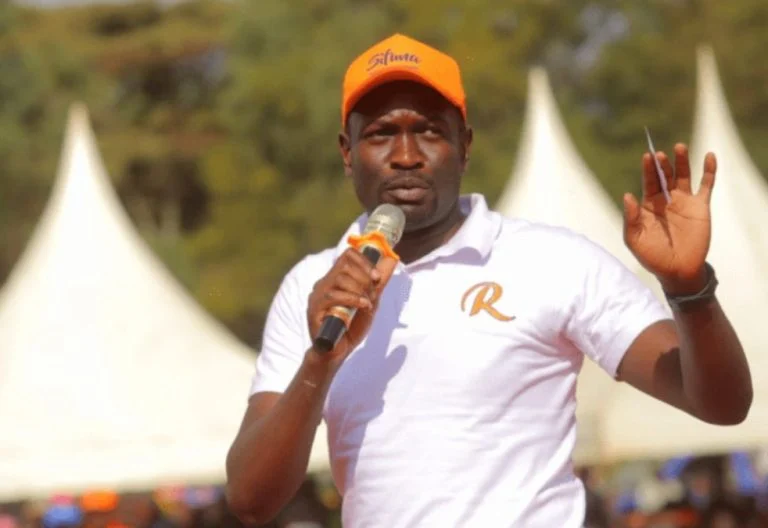
Sifuna’s political message has found traction among some young voters, but the wider youth vote remains fluid.
The political question is no longer simply whether Gen Z can influence politics.
It is whether the generation can translate its numerical presence into sustained electoral participation.
That could reshape how parties campaign, especially in urban centres and among first-time voters.
4. Kalonzo, Matiang’i and Gachagua are bringing different political assets
The opposition field cannot be understood through Sifuna alone.
Kalonzo brings decades of national political experience and an established Wiper network.
Matiang’i has government experience and has developed a national profile beyond his traditional regional base.
Gachagua is attempting to consolidate a political constituency around DCP while simultaneously seeking alliances outside Mount Kenya.
Recent surveys show just how unsettled the field remains.
5. The real fight may be over the running mate
The presidential contest is only one part of the coalition equation.
Kenyan presidential alliances traditionally involve negotiations over regional representation, party interests and the deputy presidency.
Infotrak’s July survey tested possible opposition combinations and found the Kalonzo-Sifuna pairing at 23 per cent, followed by Kalonzo-Matiang’i at 16 per cent and Matiang’i-Kalonzo at 15 per cent.
The figures do not settle who will eventually form a ticket.
But they demonstrate why running-mate negotiations will matter.
A candidate may bring a strong regional base but need another politician to expand the coalition geographically.
Another may bring youth appeal but lack an established national party structure.
Another may have a party network but need a younger face.
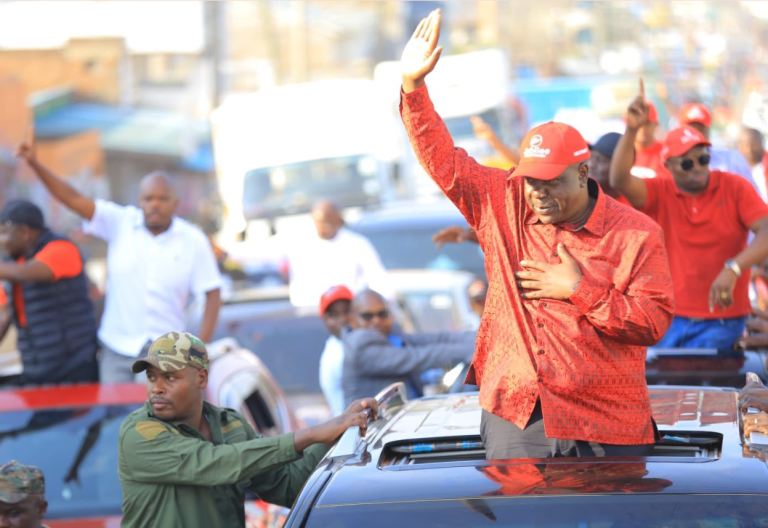
That makes the running-mate question potentially as politically important as the presidential nomination itself.
6. Can the opposition solve its party-vehicle problem?
Another battle is taking place behind the microphones.
Who owns the political vehicle?
Sifuna’s Linda Mwananchi movement has generated considerable mobilisation, but questions remain about the party structure through which its candidates would contest elections.
Babu Owino has backed the Mwananchi Party, while Sifuna has also been associated with the Ukombozi People’s Party.
That distinction matters.
A political movement can organise rallies and generate public enthusiasm.
A political party, however, has to handle nominations, candidates, agents, campaign structures and election-day mobilisation.
The same problem faces the broader opposition.
Several principals can agree that they want an alliance but still disagree over which party carries the presidential candidate, how nominations are conducted and how other elective positions are shared.
The coalition agreement may therefore prove easier to announce than to implement.
What political lovers should watch next
The next phase of the opposition contest will likely be defined by developments beyond rallies.
Watch for:
- The party vehicle: Which party will carry the eventual coalition?
- The presidential ticket: Who gets the top seat and who becomes running mate?
- ODM’s direction: How the party and its supporters position themselves after Raila.
- Linda Mwananchi’s expansion: Whether Sifuna can maintain momentum outside Nairobi.
- Youth registration: Whether the growing pool of young voters translates into actual turnout.
- Mount Kenya alliances: How Gachagua’s political project interacts with the wider opposition.
- Kalonzo’s negotiations: Whether Wiper enters a broader coalition and on what terms.
- Matiang’i’s networks: Whether his support can translate into an organised national campaign.
- Local candidates: Whether opposition principals can agree on parliamentary, gubernatorial and MCA candidates without splitting their vote.
- Coalition discipline: Whether competing principals can campaign under one message once a ticket is selected.