
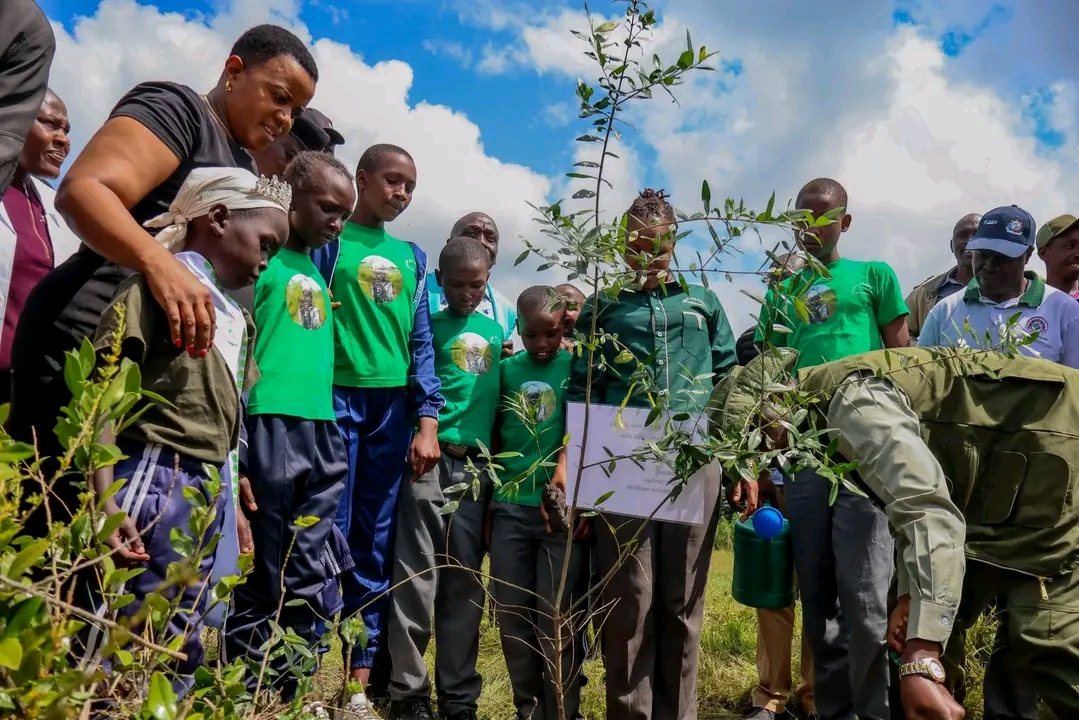
For years, Chepalungu Forest stood as a stark reminder of environmental degradation.
Illegal human activities, uncontrolled grazing and unsustainable exploitation had left large sections of the once-thriving ecosystem under immense pressure, raising fears that one of Bomet County’s key water towers could be lost.
Tloday, however, the forest is telling a different story.Once-scarred landscapes are steadily turning green again as indigenous trees regenerate naturally, vegetation cover expands and wildlife slowly returns.
Also Read: Three children died in Chepalungu house fire
The transformation is offering hope to conservationists and residents alike, demonstrating how ecosystems can recover when given time and protection.
Govt recovery efforts
The recovery follows a presidential directive issued in December 2022 to close forests facing degradation. In Chepalungu, the directive was fully implemented in 2024 alongside ongoing restoration and forest protection initiatives.
The move was initially met with resistance from sections of the community who relied on the forest for firewood, grazing and other resources.Many feared the restrictions would deprive them of their livelihoods.
Beyond restoring the forest’s appearance, residents say the regeneration has improved environmental conditions across surrounding communities.
But two years later, attitudes have shifted as the visible recovery of the forest has convinced many residents that the temporary sacrifices were worthwhile.
Also Read: Why Kalonzo must build a truly national brand before 2027
“The forest is now green and growing back to how it was in the late 1990s. We were against the closure because we never expected it would recover like this. At the rate it was being destroyed, it would have been completely bare by now, but we did not know what lay ahead,” village elder Jonah Bii told Bomet newswire.
Cleaner air, thicker vegetation and increased biodiversity are among the changes they have witnessed.
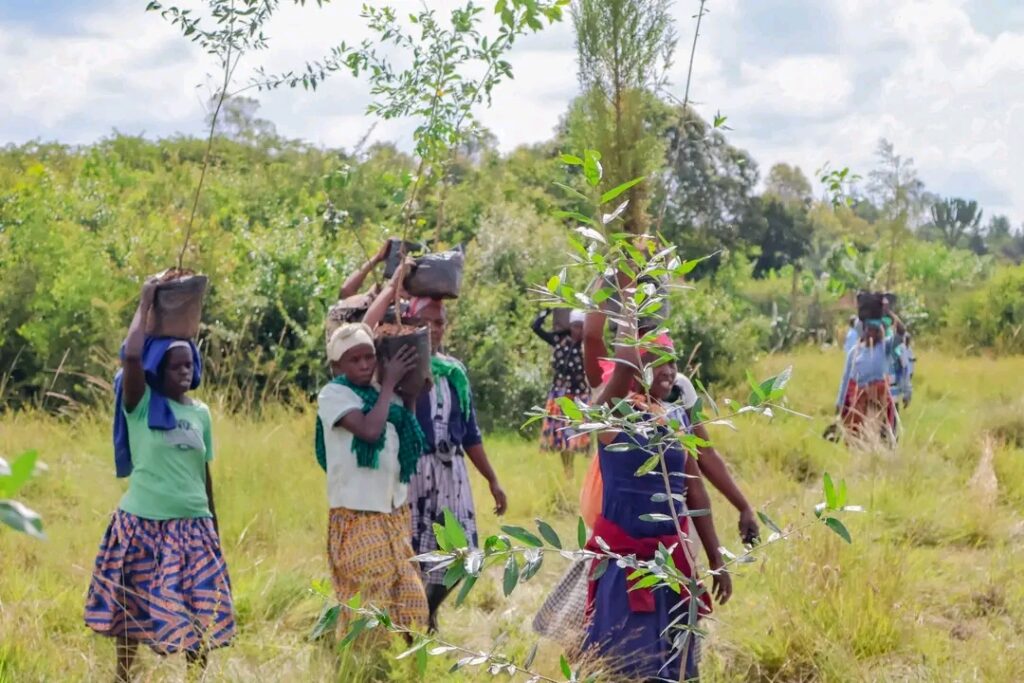
Farmers living near the forest also believe the renewed vegetation has contributed to improved local rainfall patterns.
“The regeneration of the forest is very promising. Nowadays, when it rains here, the rain does not seem to move far away. We can receive rainfall in this area while places like Kaboson receive much less. We did not fully understand the importance of protecting the forest before, but now we truly appreciate its value,” Ann Maritim said.
The recovering forest is also supporting livelihoods in new ways.
Sustainable livestock management
Instead of relying on uncontrolled grazing inside the forest, many farmers have adopted more sustainable livestock management practices.
They are embracing controlled grazing, improving animal feeding and setting aside parts of their farms for fodder production.
The shift, they say, has boosted productivity while reducing pressure on the forest.
“We now understand what modern farming really means. In the past, someone could keep 10 cows and produce less than five litres of milk because the animals were poorly fed. Today, with just two cows, I produce more because I manage them properly, use grass from designated areas and balance livestock feeding with crop production,” David Langat stated.
The forest’s recovery has also inspired renewed community participation in conservation efforts. Residents regularly join local leaders during public holidays for tree-planting exercises aimed at strengthening restoration efforts.
Also Read: Inside Sotik Industrial Park as Bomet County advances industrialisation agenda
However, some have cautioned against turning environmental activities into political platforms.
According to farmer Jacob Kenduiyo, the residents should not use conservation at the forest to promote one political party but instead should avoid any divisive politics.
“We appreciate leaders who join us in planting trees because it helps restore our environment. But we urge those who come here not to use these conservation efforts to promote divisive politics. The forest should unite us because protecting the environment is about safeguarding our future,” Kenduiyo said.
Today, Chepalungu Forest stands as a powerful example of nature’s resilience. What was once an ecosystem on the brink of decline is steadily reclaiming its place as a vital environmental resource for Bomet County.
2026 tree planting target
During a tree-planting exercise at the Siongiroi Block of Chepalungu Forest attended by Chief of Staff and Head of the Public Service Felix Kosgey, Bomet Governor Hillary Barchok said the county is targeting the planting of more than 100,000 tree seedlings during the 2026 tree-growing season as part of efforts to fully rehabilitate the degraded forest.
Barchok said the initiative builds on gains made since the accelerated tree-growing campaign began in 2024, noting that more than 600,000 tree seedlings have already been planted in Chepalungu Forest.
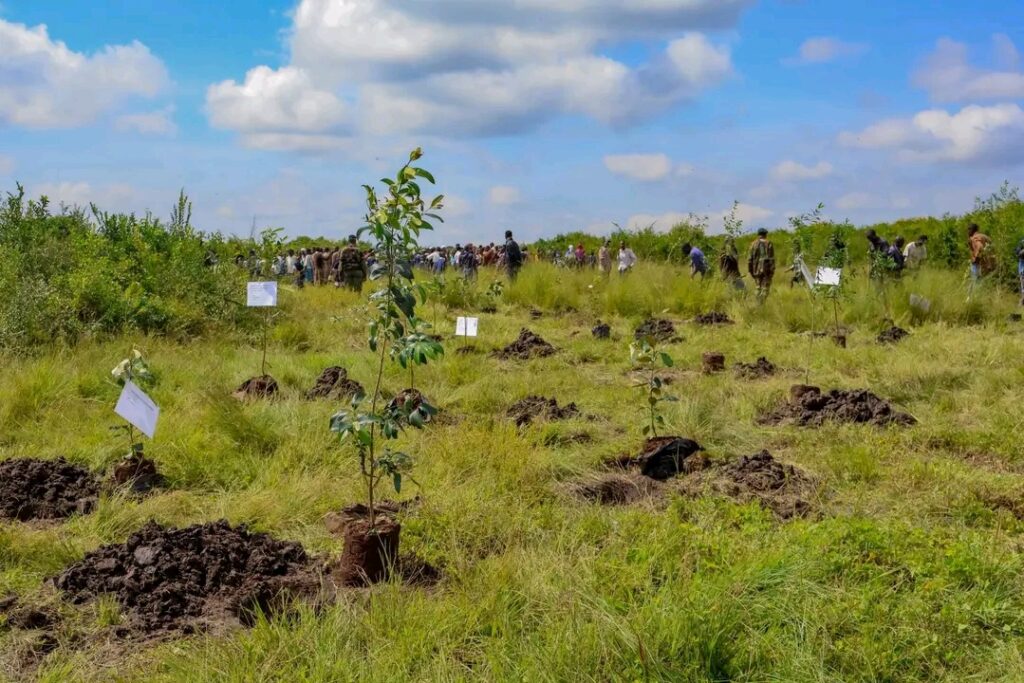
According to the governor, restoring the forest is a flagship programme aimed at increasing Bomet County’s tree cover to 30 per cent, while reviving biodiversity, strengthening resilience against climate change and protecting water catchment areas that feed local rivers and streams.
“Revitalising Chepalungu Forest is critical not only for increasing tree cover but also for restoring indigenous flora and fauna, enhancing resilience to climate change and securing water sources for future generations. The surrounding community remains central to protecting these gains,” Barchok said.