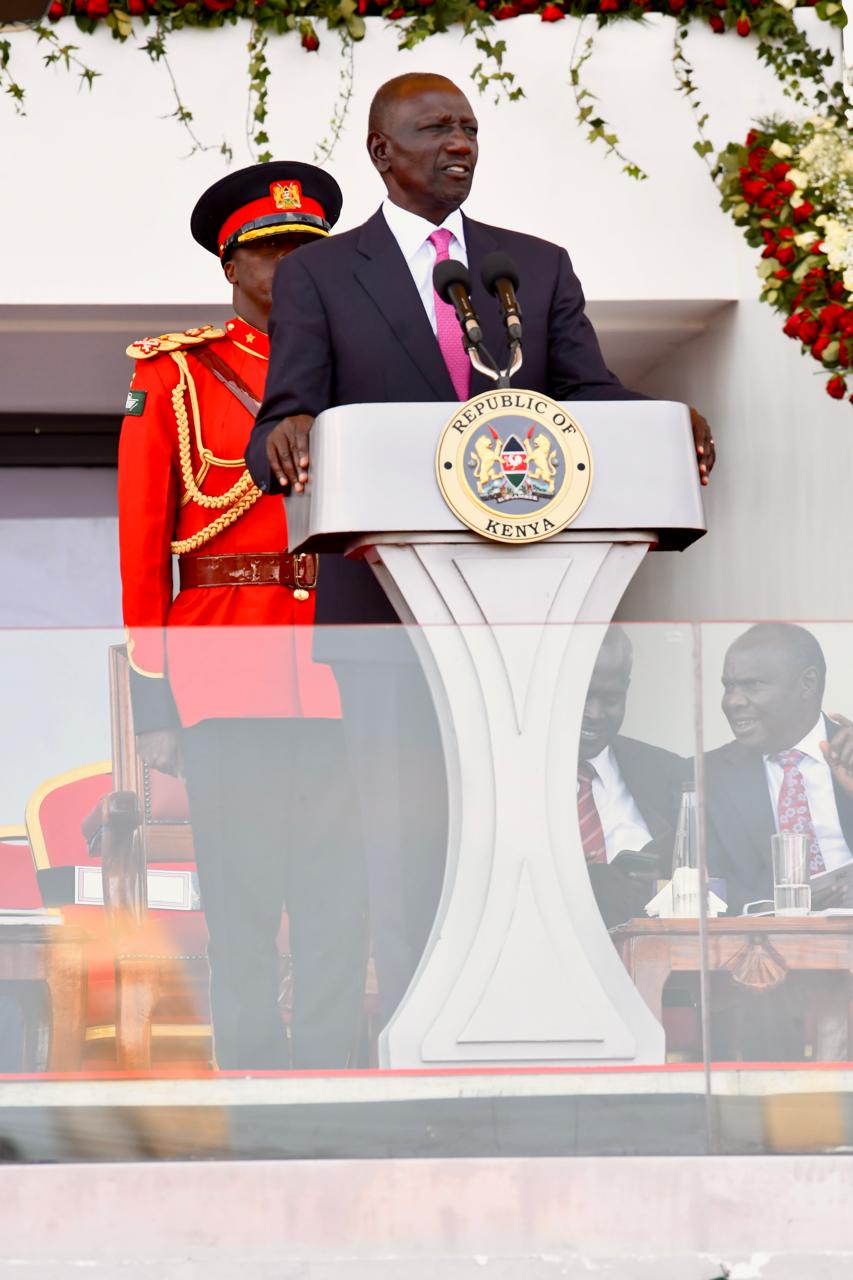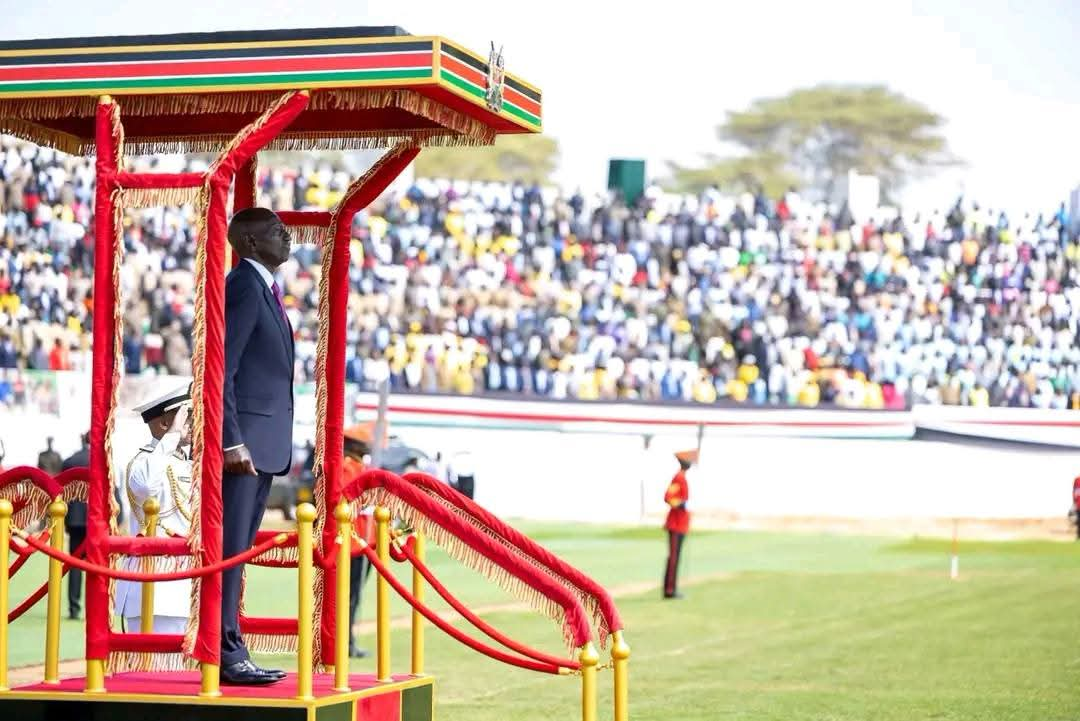
As the country marks it`s Mashujaa Day in Eldoret, the annual celebration has evolved from remembering the struggle for independence to honouring contributions across society.
Every October 20, Kenya remember these individuals and reflect on the meaning of heroism. Behind the colourful celebrations, national speeches and military parades lies a history that dates back to one of the most difficult periods of the country’s struggle for independence.
On October 20, 1952, the British colonial administration declared a State of Emergency and began arresting prominent nationalist leaders, including Jomo Kenyatta, as authorities intensified their campaign against the independence movement.
The date subsequently became associated with Kenyatta Day, commemorating the detention of Kenyatta and other nationalist leaders. However, the promulgation of the Constitution of Kenya in August 2010 transformed the holiday into Mashujaa Day, broadening its purpose to recognise all Kenyans who have made significant contributions to the country’s history and development.
The change was more than a new name. It marked a shift from focusing primarily on the country’s founding political figures to embracing a wider understanding of heroism.
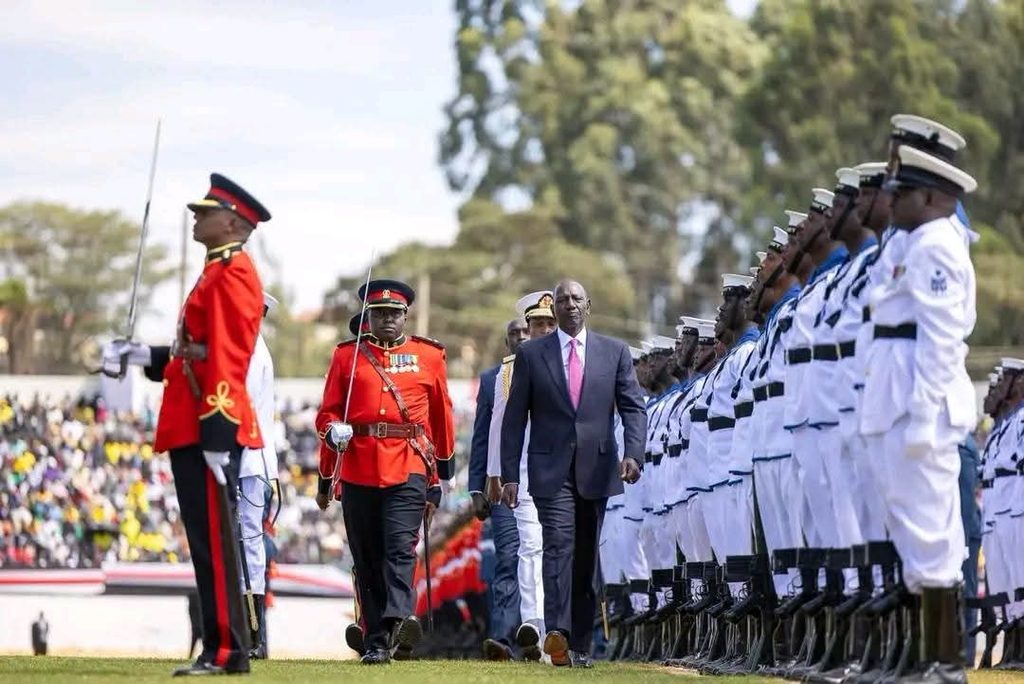
A changing definition of heroism
Kenya’s independence struggle once involved political organisers, detainees, fighters and communities that supported the demand for self-rule. Their experiences differed, but their contributions helped build the foundation of an independent nation.
Today, the meaning of a hero extends beyond the battlefield and the political arena.
A teacher working in a remote school, a healthcare worker treating patients under difficult conditions, a farmer feeding households despite unpredictable weather, Our security agencies within the interior and within borders ,a young innovator creating employment all contribute to the country’s progress and thus we recognize too as our heroes and heroines. It is now an opportunity to honour contributions in education, healthcare, environmental conservation, entrepreneurship, sports and community service.
The National Heroes Council provides a framework for recognising distinguished contributions in various fields. Under the Kenya Heroes Act, 2014, members of the public, organisations and institutions can nominate individuals for consideration as national heroes.
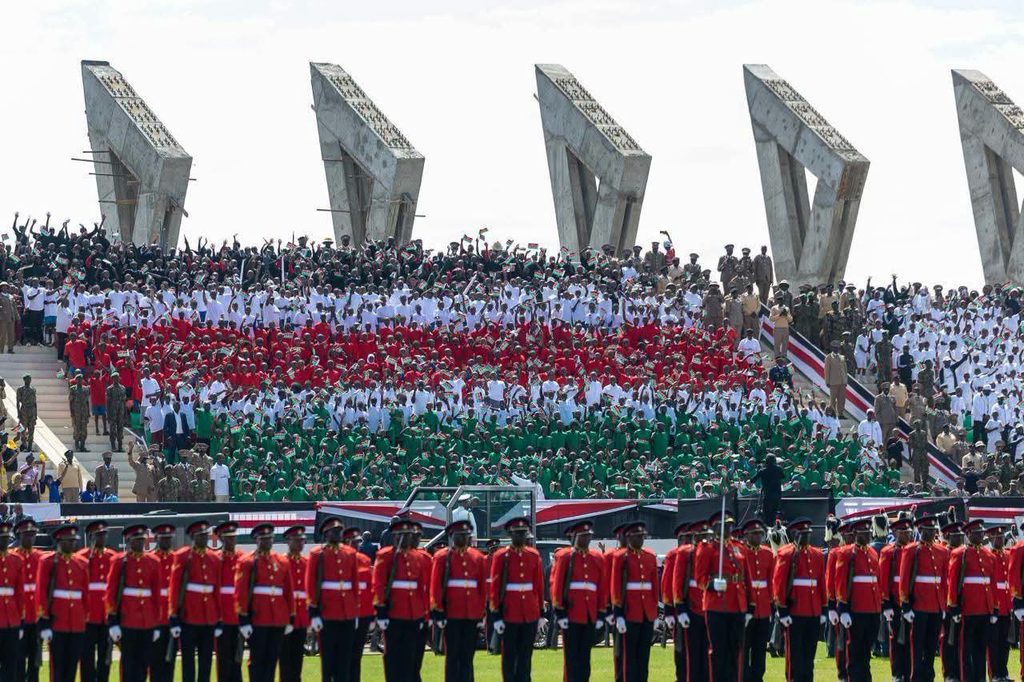
Todays mashujaa recognized 264 kenyans heros and heroines who have contributed to the development of country in diverse sectors and various works of life
This broader recognition reflects the reality that nation-building does not end with the attainment of political freedom. It continues through the everyday efforts of people who strengthen communities, improve livelihoods and create opportunities for others.
This wider perspective acknowledges that the responsibility of building Kenya did not end when the country attained independence. It continues through the work of citizens who promote justice, improve public services, protect the environment and expand opportunities for others.
Yet remembering heroes also demands reflection. Honouring the struggle for freedom should encourage a commitment to the values of dignity, equality, unity and responsible leadership.