
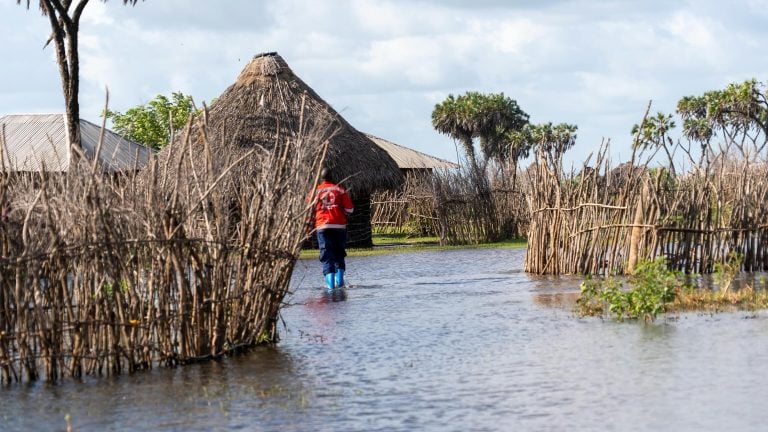
The government has unveiled a seven-point preparedness plan ahead of the anticipated October to December El Niño rains, warning that above-normal rainfall could trigger flooding, displacement, disease outbreaks and destruction of critical infrastructure across the country.
In a press release issued on Tuesday, September 1, 2026, the Ministry of Interior and National Administration said counties in the Western/Nyanza and North Eastern regions could experience an early onset of the rainfall season.
The government said it has activated a National Contingency Plan developed jointly with national and county government agencies, humanitarian organisations, security agencies and other disaster management stakeholders.
“The upcoming October–December El Niño rains are expected to bring above-normal rainfall across most parts of the country,” the ministry said.
According to the government, the anticipated impacts include flooding, drowning, injuries and deaths, displacement and isolation of communities, disease outbreaks, disruption of essential services and damage to roads and other critical infrastructure.
Crop and livestock losses are also expected in some parts of the country.
Flood Hotspots Identified
Among the measures already undertaken is the mapping of flood hotspots and other areas vulnerable to heavy rainfall.
The exercise has identified riverine and low-lying areas, coastal regions, highlands and landslide-prone zones, arid and semi-arid areas, northern Kenya and urban centres susceptible to flooding.
The government said roads and transport infrastructure likely to be affected have also been identified across North Eastern, Tana River, Coast, Western/Nyanza, Rift Valley, Turkana, Nairobi, Central and Eastern regions.
“This is enabling relevant agencies to strengthen monitoring, undertake preventive measures and improve response planning,” the ministry said.
Drains Being Cleared
The government has also intensified the unclogging and desilting of drainage systems, culverts and water channels to reduce the risk of flooding, particularly in urban areas.
Choke points along major drainage systems have already been identified, with agencies including the Kenya Urban Roads Authority working to clear blocked sections.
Solid waste management is also being stepped up through programmes such as Climate WorX to prevent garbage from blocking drainage channels.
Evacuation Plans Underway
Authorities have also identified temporary holding grounds for people living on riparian land and other high-risk areas who may be displaced by floods.
Water levels in rivers and other water bodies are being closely monitored, especially around major dams and communities living along riverbanks.
The government said relevant agencies are further inspecting bridges, roads and critical utilities in flood-prone areas to identify weaknesses and carry out preventive interventions before the rains intensify.
Chiefs, Nyumba Kumi to Lead Early Warning
At the community level, the government is strengthening early warning systems through Chiefs, Assistant Chiefs and Nyumba Kumi structures to ensure timely information reaches residents in vulnerable areas.
Public awareness campaigns on disaster preparedness and appropriate responses to early warnings are also being intensified.
The measures come as Kenya moves closer to the October–December short rains season, with authorities warning communities in flood-prone and landslide-prone areas to remain alert and follow evacuation directives when issued.