The Ministry of Health has urged churches across the country to intensify public awareness on Ebola prevention, early reporting and the need to support affected families without discrimination following confirmation of an imported case in Kenya.
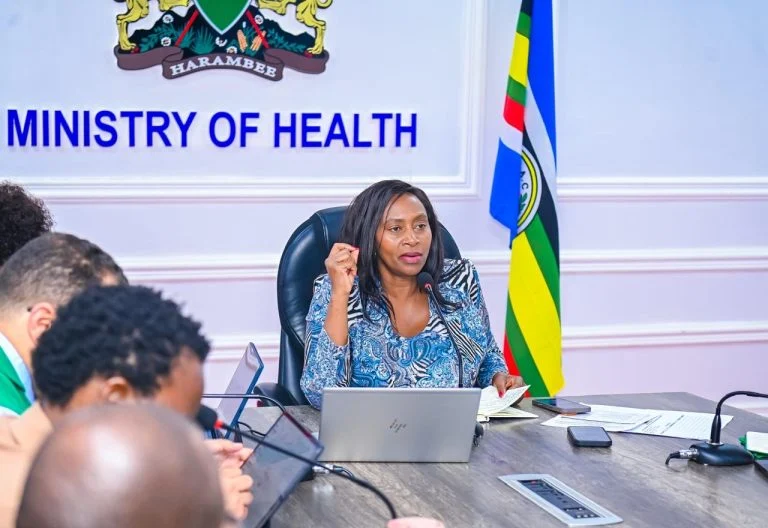
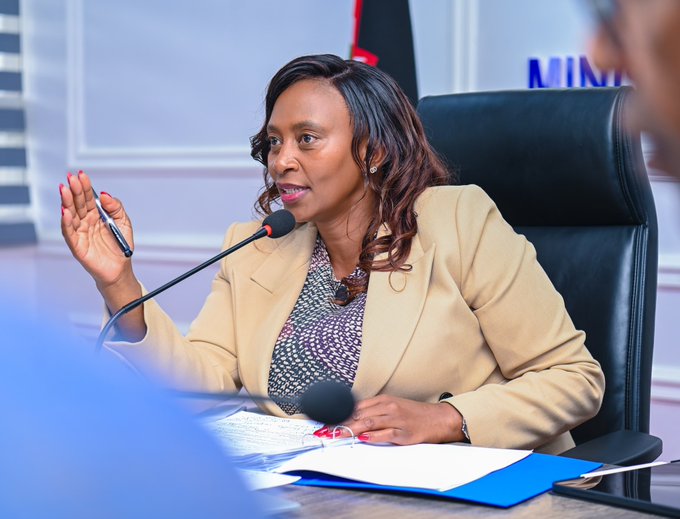
In an official address to church congregations dated October 10, 2026, Public Health and Professional Standards Principal Secretary Mary Muthoni Muriuki called on religious leaders to use sermons, church announcements, fellowship meetings and community outreach programmes to educate Kenyans about the disease.
The ministry said the government had intensified contact tracing, surveillance at points of entry, public health communication and preparedness at designated isolation and treatment facilities to prevent further transmission.
“Churches have an important role in protecting families and communities by promoting preventive practices, encouraging early reporting and supporting those affected,” the address states.
The ministry warned that Ebola is a serious and potentially deadly disease transmitted through direct contact with the blood or body fluids of an infected person, the body of someone who has died from the disease, contaminated materials or infected animals.
It clarified that Ebola does not spread through the air.
Kenyans were advised to watch out for symptoms including sudden fever, severe headache, muscle pain, weakness, sore throat, vomiting, diarrhoea and skin rash.
Signs and symptoms
Unexplained bleeding may occur in severe cases, but the ministry cautioned against waiting for bleeding before seeking medical attention.
Symptoms can develop between two and 21 days after infection.
The ministry urged anyone who may have been exposed to a suspected or confirmed case to notify health authorities immediately, even if they feel well, and follow instructions on symptom monitoring and other public health measures.
Contacts identified by health officials should observe the recommended 21-day monitoring period after their last possible exposure, although not every contact necessarily requires isolation.
The public was also advised to maintain proper hand hygiene, avoid contact with body fluids and refrain from handling personal belongings that may have been contaminated by an infected person.
Families were cautioned against attempting to care for suspected Ebola patients without guidance from qualified health professionals, while healthcare workers were urged to observe infection-prevention procedures and use appropriate protective equipment.
The ministry further warned against handling sick or dead wild animals, including bats, monkeys, antelopes and porcupines, and consuming bushmeat from animals suspected of carrying the virus.
It also called for safe and dignified burials, warning that the bodies of people who die from Ebola remain highly infectious. Members of the public were advised not to touch, wash or handle such bodies, but instead notify health authorities to arrange appropriate procedures.
The PS emphasised the need to protect survivors and their families from stigma, discrimination and blame, urging communities to offer support while observing recommended safety precautions.
People who develop symptoms, particularly after possible exposure, were advised to seek medical guidance immediately.
Those suspecting infection should call the Ministry of Health toll-free hotline 719 for guidance on safe referral and transport to an appropriate health facility.
Other official channels provided by the ministry include the USSD code *719#, the Jali WhatsApp Assistant on 0700 719 719 and the website www.health.go.ke.
The ministry said it would continue working with county governments, healthcare workers and partners to strengthen surveillance, contact tracing and preparedness.
“Recognise the signs. Report early. Stop Ebola,” said the PS.
Why awareness
Her clarification comes against the backdrop of an internal Ministry of Health memo dated Wednesday, October 7, 2026, directing all directorates, divisions and programmes under the State Department for Public Health and Professional Standards to suspend meetings, seminars and conferences scheduled to take place in hotels until further notice.
The memo, signed by Muthoni, followed confirmation of the imported case on October 6 and cited the need to prioritise emergency preparedness, contact tracing and response measures.
“Accordingly, all meetings, seminars and conferences scheduled to be held in hotels are suspended with immediate effect from Wednesday, 7th October 2026, until further notice,” the memo stated.
It further directs ministry departments to implement established standard operating procedures for preventing and managing Ebola and other highly contagious infectious diseases. Any exception to the hotel meeting suspension requires prior approval from the PS’s office.