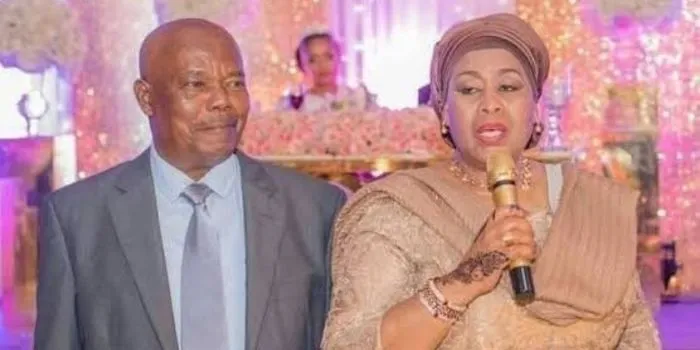
The death of Hafidh Ameir Hassan, husband of Tanzanian President Samia Suluhu Hassan, has set the stage for a funeral expected to follow key Islamic burial traditions.
Hafidh died on Monday, September 7, 2026, while receiving treatment in Zanzibar. Tanzania’s Vice President Deogratius Ndejembi announced his death, saying he passed away at 8am at Emilio Mzena Memorial Hospital, where he had been receiving treatment for a heart condition. Funeral arrangements are underway in Kizimkazi, Zanzibar.
As preparations continue, Islamic funeral rites are likely to guide the handling of his body, prayers and burial. While practices can vary depending on local customs and the family’s arrangements, seven important rituals typically shape a Muslim funeral.
1. Ghusl — ritual washing of the body
The body of the deceased is traditionally washed in a prescribed purification ritual known as ghusl.
The washing is conducted respectfully and with the body kept covered as much as possible. Islamic funeral traditions generally require the deceased to be treated with dignity and care throughout the process.
2. Kafan — wrapping the body in a shroud
After washing, the deceased is wrapped in a simple burial shroud known as kafan.
For Muslim men, the shroud traditionally consists of plain pieces of cloth. The practice reflects the Islamic emphasis on simplicity and equality in death, regardless of a person’s social or political standing.
3. Salat al-Janazah — funeral prayers
The next major ritual is Salat al-Janazah, the Islamic funeral prayer.
Unlike the regular five daily prayers, the Janazah prayer does not involve bowing or prostration. It is performed standing and includes supplications asking Allah to forgive and have mercy on the deceased.
Given Hafidh’s public profile as the husband of Tanzania’s President, the prayers could attract family members, religious leaders, government officials and members of the public.
4. Burial without unnecessary delay
Islamic tradition encourages the burial of the deceased as soon as reasonably possible after death and completion of the necessary preparations.
This means the funeral arrangements in Kizimkazi are expected to move relatively quickly, although the exact timing will depend on official and family arrangements. Islamic funeral guidance commonly emphasises prompt burial rather than prolonged delays.
5. The body is buried facing the Qiblah
A central feature of Islamic burial is positioning the deceased so that the body faces the Qiblah — the direction of the Kaaba in Makkah.
The grave itself is prepared in accordance with Islamic burial practices, with the deceased placed directly in the earth rather than traditionally being cremated.
6. Supplications and prayers for the deceased
After burial, mourners commonly make du’a — supplications — asking Allah to forgive the deceased, grant him mercy and give him peace.
Family members, friends and fellow Muslims may also continue praying for the deceased in the days and weeks following the burial.
7. Mourning and offering condolences
Islam places emphasis on supporting the bereaved family and offering condolences while maintaining dignity and restraint.
For President Samia, the death represents a deeply personal loss occurring while she remains the country’s head of state. Condolence messages are expected from Tanzanian leaders, political figures, religious leaders and members of the public as funeral arrangements proceed.
The death of Hafidh comes as Tanzania prepares for his burial in Kizimkazi, Zanzibar. The country’s authorities have not yet announced the full funeral programme, meaning details concerning the prayers, burial time and attendance are expected to emerge as the arrangements are finalised.