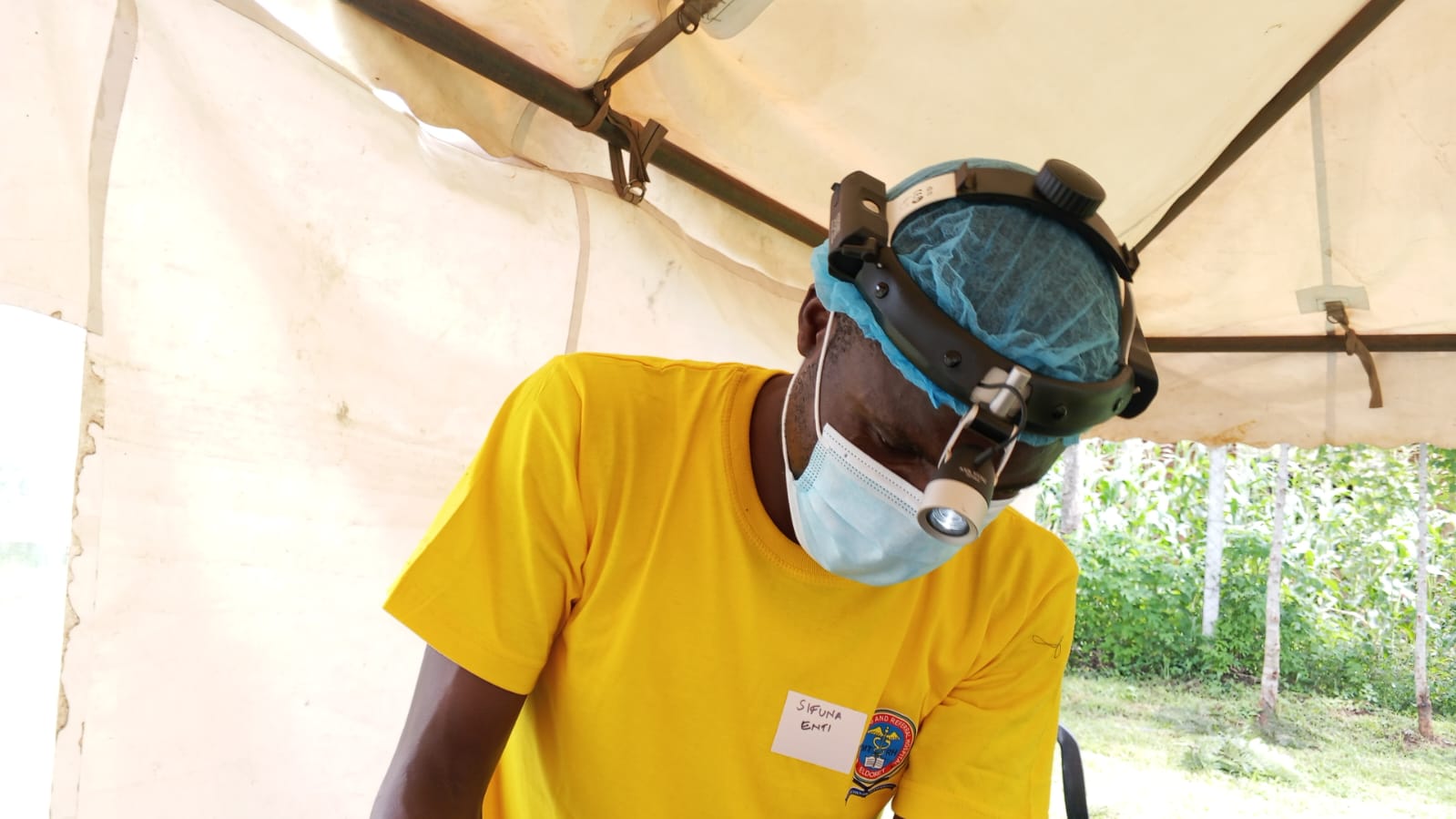
From portable scanning machines that bring diagnosis closer to rural residents to digital platforms connecting local doctors with specialists remotely, technology is taking centre stage at the Ndhiwa Healthy Free Medical Camp.
More than 2,000 residents turned up at KMTC Ndhiwa in Homa Bay County seeking medical attention during the first day of the 8th Ndhiwa Healthy Free Medical Camp.
But beyond the consultations, medication and specialist services, this year’s camp introduced a new approach to healthcare delivery, using technology to bring medical services closer to patients.
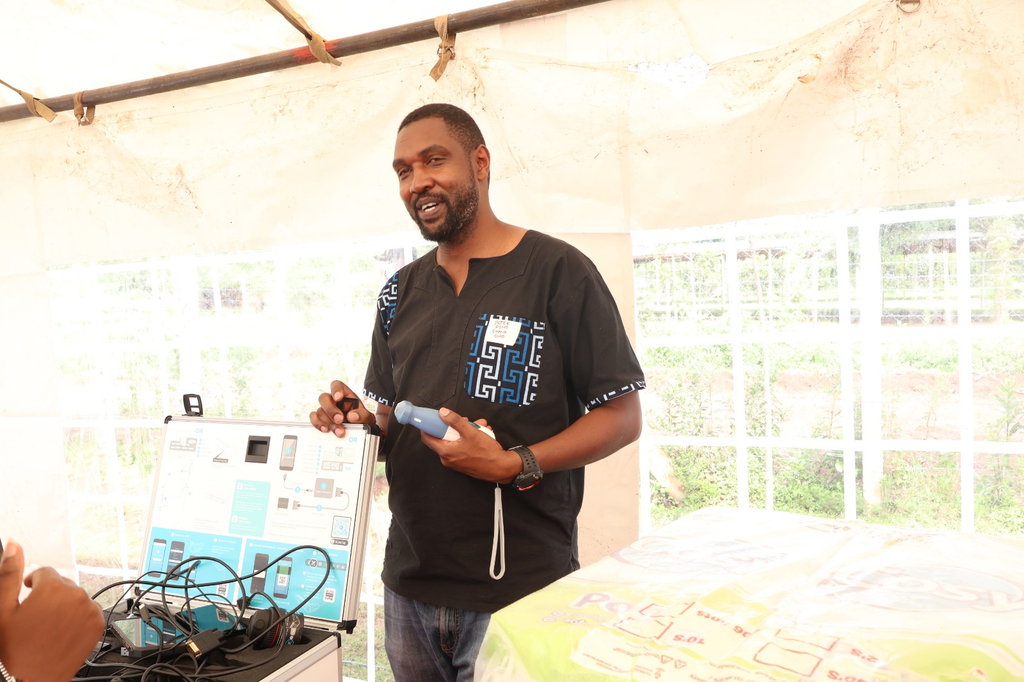
A major highlight was the introduction of portable scanning technology by Ohana One, an organisation supporting healthcare delivery through digital innovations.
The technology allows healthcare workers to examine patients using portable equipment connected to mobile phones, reducing the need to move patients from one location to another in search of diagnostic services.
Also Read: Health workers defend strike, blame Governors for failure to implement CBA
Dr. Peter Rono of Ohana One says the innovation builds on lessons from last year’s camp, when approximately 6,800 people were screened, but access to ultrasound services was limited by the availability of a single machine.
“Last year, we realised that there were a lot of scans that were done, but it took a lot of time because they only had one ultrasound machine from Ndhiwa,” he says.
This year, additional point-of-care ultrasound machines have been introduced.
Connected through Bluetooth and a mobile phone application, the portable devices can be moved between different service points, allowing healthcare workers to conduct scans closer to patients.
Beyond scanning, Ohana One has also expanded its use of smart glasses and remote consultation platforms to connect doctors in Ndhiwa with specialists elsewhere.
Its Teleview technology can connect up to 10 remote experts to one medical procedure, while a new platform, Rods and Cones, can accommodate up to 50 specialists observing and guiding a procedure.
“Like 50 remote experts can be able to follow one procedure,”
The camp is also combining medical technology with practical health education, particularly on snakebite prevention and treatment.
The Kenya Snakebite Research and Intervention Centre, under the Kenya Institute of Primate Research, brought four snakes, two venomous and two non-venomous, to demonstrate the differences and educate residents on how to protect themselves.
Also Read: CBK Announces 2026 Internship Programme, Lists Qualifications and December Deadline
Clinical and public health research scientist Cecilia Ngare says the sensitisation targets community members, farmers, children, parents and community health promoters, while also equipping healthcare workers with knowledge on identifying venomous and non-venomous snakebites.
She notes that Kenya has approximately 140 snake species, but only 13 are of medical importance, contrary to the widespread belief that every snake is dangerous.
One of the misconceptions the team is challenging is the use of black stones, which some people believe can suck venom out of the body after a snakebite.
“The truth of the matter is that these black stones do not really suck out the venom,” Ngare says.
She warns that depending on such traditional practices can delay treatment, exposing victims to serious complications, including severe wounds, disabilities, amputations and even death.
Instead, she advises snakebite victims to remain calm, move away from the snake, minimise movement and immobilise the affected body part as they seek immediate medical attention.
She emphasises that antivenom administered at a health facility is the appropriate treatment for venomous snakebites.
While the new technology and health education are changing how medical services reach the community, the experiences of patients attending the camp reveal why such interventions matter.
Among those seeking treatment was Florence Atieno, an elderly grandmother who says she has struggled with an eye condition that causes pain and excessive watering.
She had previously attended a medical camp but did not receive the help she needed and had continued managing the condition until she heard about the latest outreach from friends.
Unable to afford regular hospital visits, Florence hired a motorcycle and travelled to KMTC Ndhiwa in search of treatment.She says the loss of her 13 children, who left behind grandchildren, has placed the responsibility of raising the young ones on her.
Also Read: Ruto announces Ksh1.2B University in Emurua Dikirr, Ksh180M KMTC hostels
Whatever little money she receives goes towards providing for her grandchildren, leaving none for her own medical needs.
For her, the medical camp offers an opportunity to seek treatment without having to shoulder the usual financial burden of accessing healthcare.
The first day of the camp attended 2,057 patients, with services ranging from general consultations and screening to dental care, vaccination, blood donation and specialist referrals.
As the camp continues, the introduction of portable scanning equipment and remote medical consultation signals a shift towards healthcare that does not depend entirely on patients travelling to find specialists.
For residents like Florence, however, the true success of such innovations will be measured by whether they make quality healthcare easier to access, especially for those who have spent years putting their families’ needs before their own.