
For communities in Bomet County, the effects of a changing climate are no longer distant warnings discussed in conferences. They are increasingly becoming a daily reality, affecting water availability, farming, livelihoods and the environment.
It is against this backdrop that residents across the county have been given an opportunity to determine the projects they believe can best protect their communities from the growing impact of climate change.
The County Climate Change Unit has begun the identification and prioritisation of projects to be implemented under the third cycle of the Financing Locally-Led Climate Action (FLLoCA) Programme.
Unlike conventional development programmes where priorities are largely determined from the top, the latest exercise puts communities at the centre of decision-making, allowing residents to identify the climate threats affecting them and propose solutions suited to their local circumstances.
“Residents identify water, food security and environmental challenges as county steps up locally led climate action”
Also Read: How Chepalungu forest is making stunning comeback after years of degradation
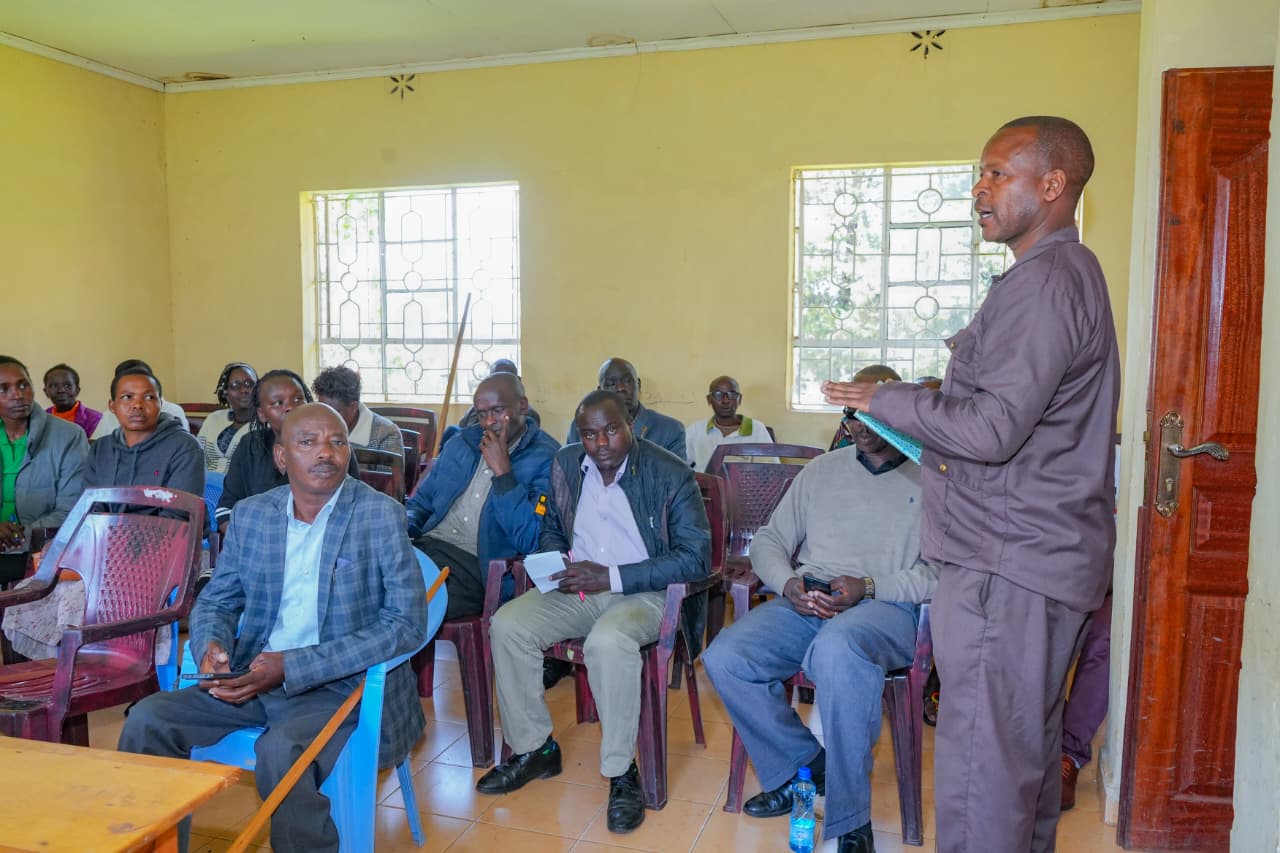
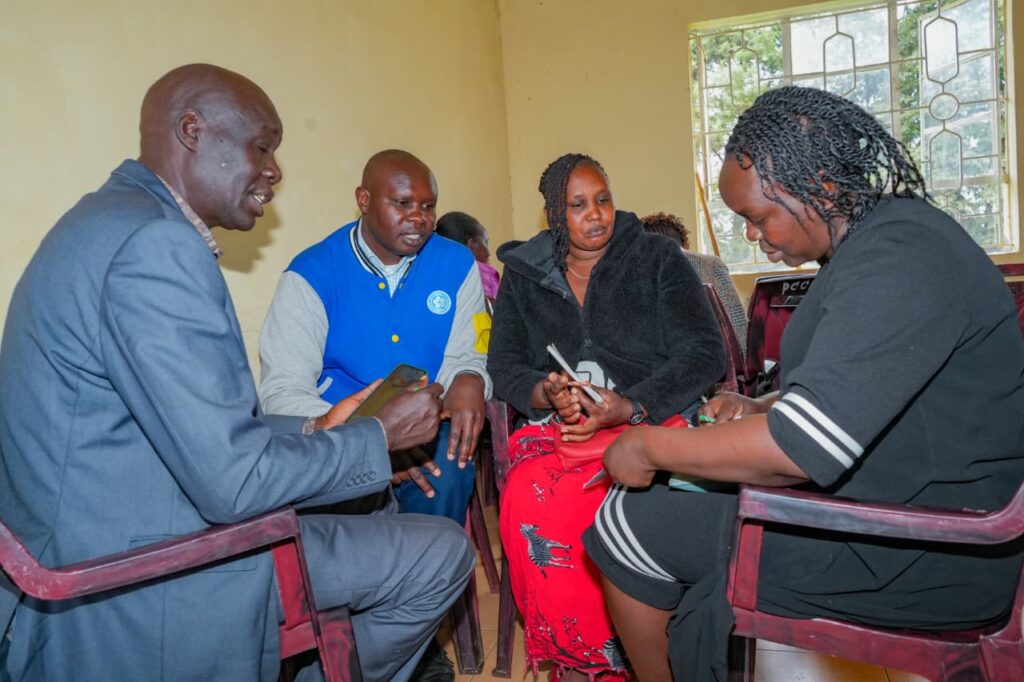
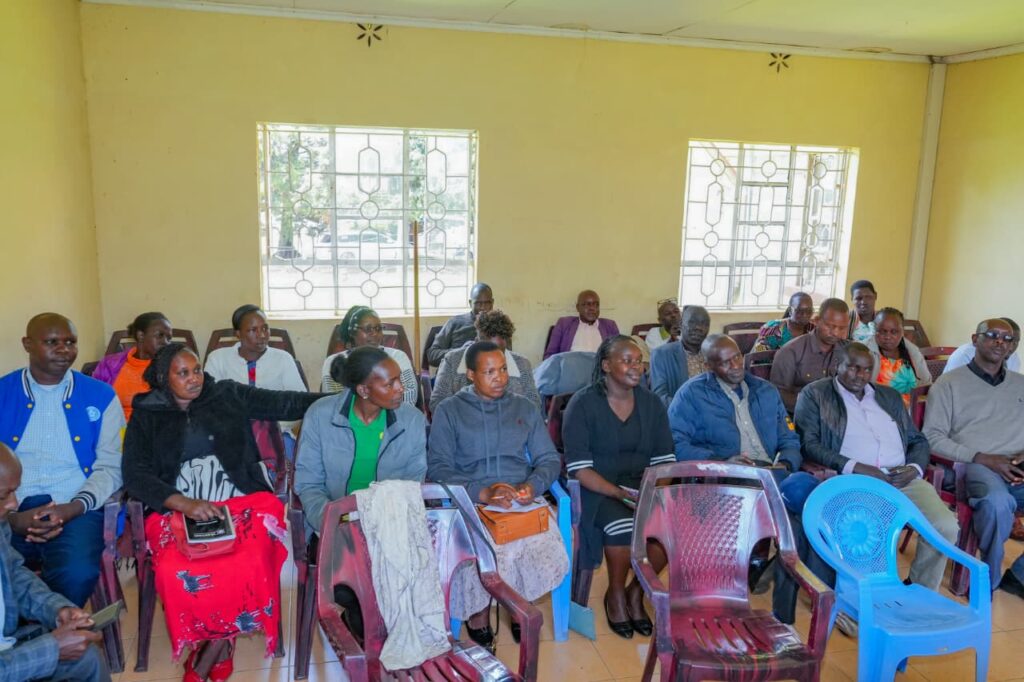
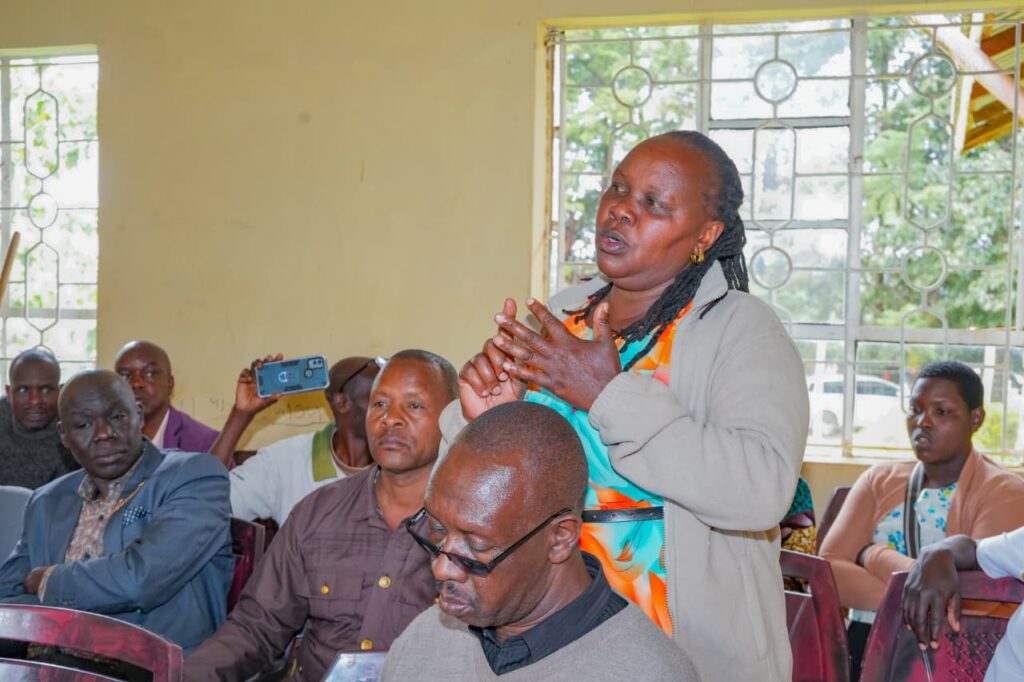
Ward Climate Change Planning Committees (WCCPCs) have been holding consultative forums across the county’s 25 wards, bringing together community representatives to discuss the most urgent climate hazards and the interventions required to address them.
The consultations are expected to produce a list of high-impact projects that will be considered for financing under FLLoCA Cycle III.
Communities at the centre
The approach is designed to ensure that climate investments respond to actual challenges experienced by residents rather than relying solely on broad county development plans.
For farmers, water availability and unpredictable weather patterns can directly affect production and household incomes. For other communities, environmental degradation and limited access to climate-resilient infrastructure present equally pressing concerns.
Also Read: Rights Defender Champions Menstrual Hygiene to Keep Nakuru Girls in School
By allowing residents to articulate these challenges, the programme seeks to ensure that resources are channelled to areas where they can make the greatest difference.
The process also provides an avenue for vulnerable groups to have their priorities considered in decisions on climate financing.
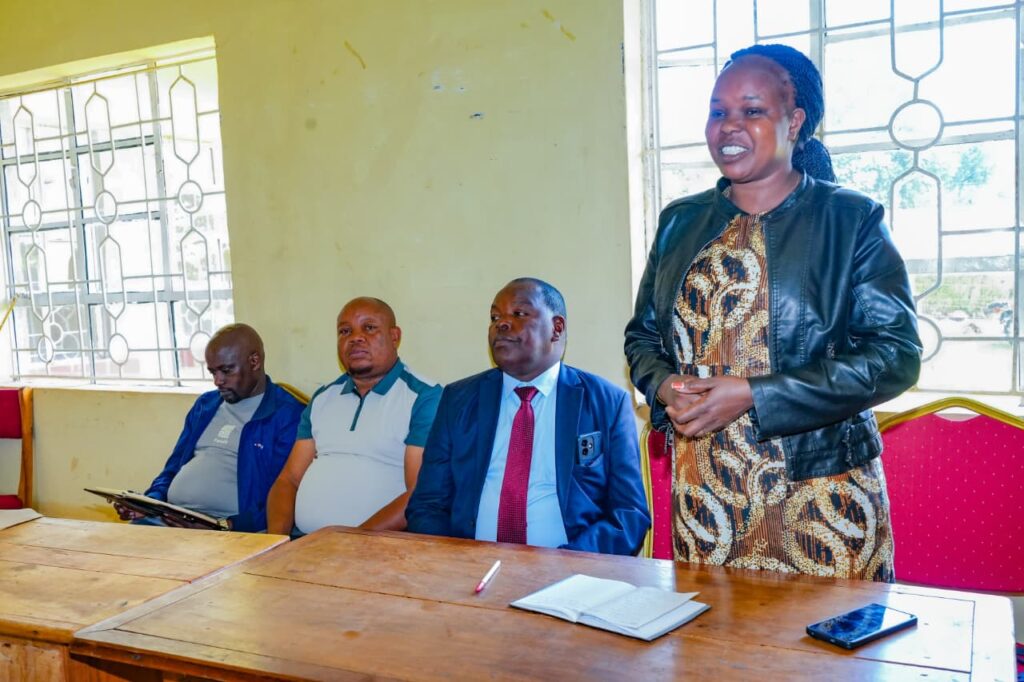
Speaking during the prioritisation exercise in Konoin Sub-County, Director of the County Climate Change Unit, Theophilus Koech, challenged WCCPC members to think beyond short-term interventions.
Koech said the committees should prioritise projects capable of delivering lasting benefits while strengthening communities’ ability to withstand climate-related shocks.
“We must prioritise projects that not only address immediate climate challenges but also build resilience, improve livelihoods, and enhance climate change mitigation efforts within our communities,” he said.
From ideas to action
The consultations are only the beginning of a process that will require careful planning, technical assessment and implementation.
The County Climate Change Unit is playing a central role in supporting the communities by providing technical expertise and administrative oversight as the locally identified priorities are transformed into viable projects.
The success of the programme will ultimately depend on whether the projects selected are implemented effectively and whether they produce measurable improvements in the lives of the people they are intended to serve.
The involvement of WCCPCs is therefore critical. The committees are expected to help bridge the gap between communities and the county government, ensuring that local voices remain part of decisions on climate investments.
A county-wide effort
The prioritisation exercise has been rolled out across all five sub-counties, bringing together WCCPC members from the 25 wards.
The countywide approach is intended to ensure that climate financing reaches communities facing different environmental challenges and that projects are selected according to local needs.
For Bomet, the third FLLoCA cycle presents an opportunity to build on previous climate interventions while addressing emerging challenges linked to changing weather patterns and environmental pressures.
The emphasis on locally led action also shifts the conversation from communities being passive beneficiaries of climate programmes to becoming active participants in designing solutions.
As the selection process continues, residents will be watching to see whether the projects they have identified will translate into tangible investments—and whether those investments will help make their communities more resilient to a changing climate.
“The writer is a Bomet County Climate Change Communications Officer“