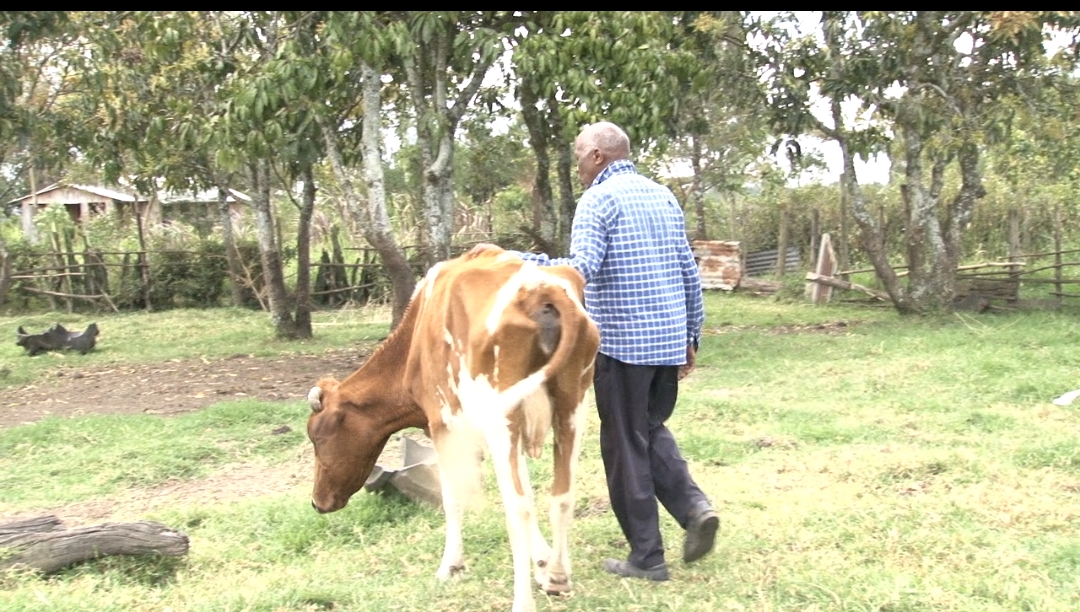
Farmers in Bomet County are counting losses following an outbreak of Foot-and-Mouth Disease (FMD) that has affected livestock in several villages, causing reduced milk production and deaths.
Sotik Sub-County has been among the hardest-hit areas, with Chebole, Gethsemane, Mosop and Kamirmir villages in Kipsonoi Ward emerging as hotspots.
The outbreak has caused anxiety among farmers, with the ongoing drought believed to be worsening the situation as livestock owners move their animals from one area to another in search of water and pasture.
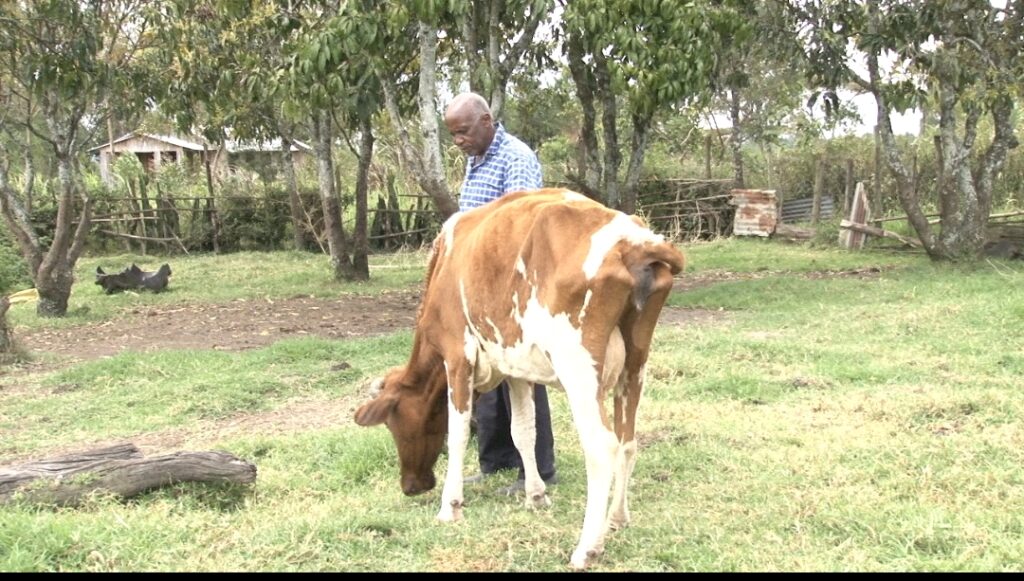
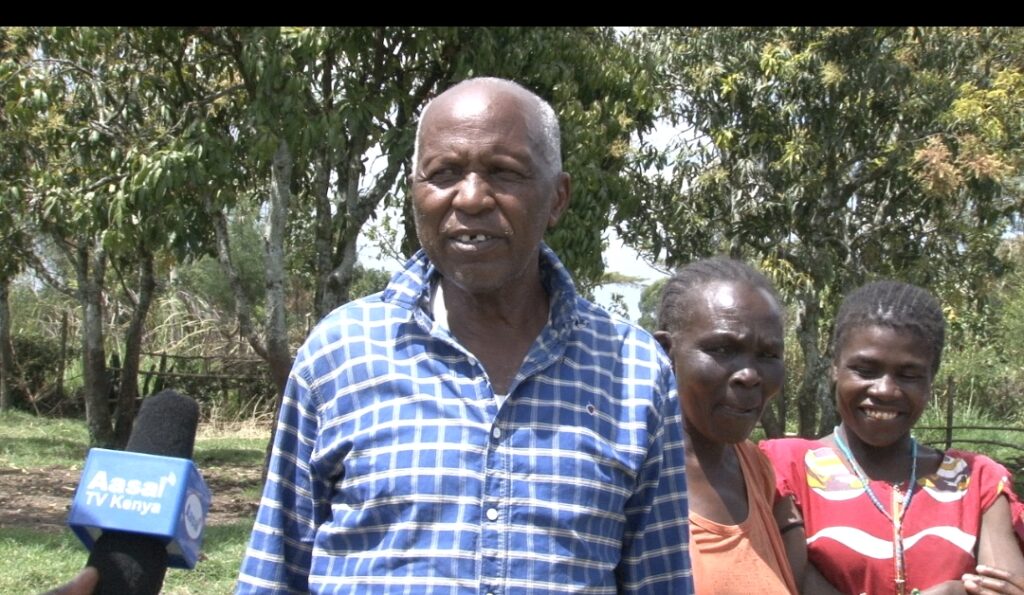
At the homestead of farmer John Chepkwony in Chebole, four cattle were undergoing treatment when this writer visited.
Chepkwony said the disease first affected one of his bulls before quickly spreading to other animals.
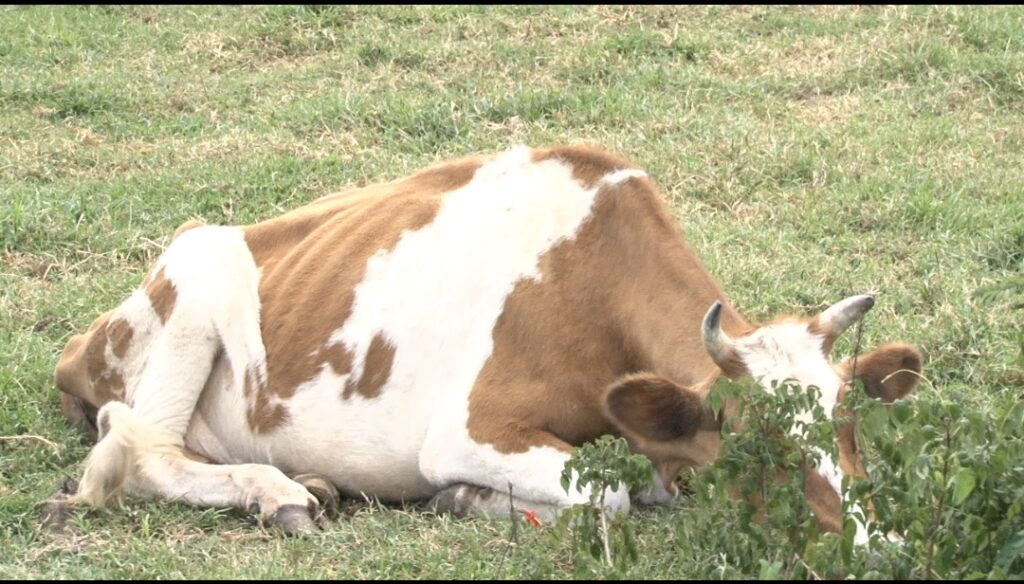
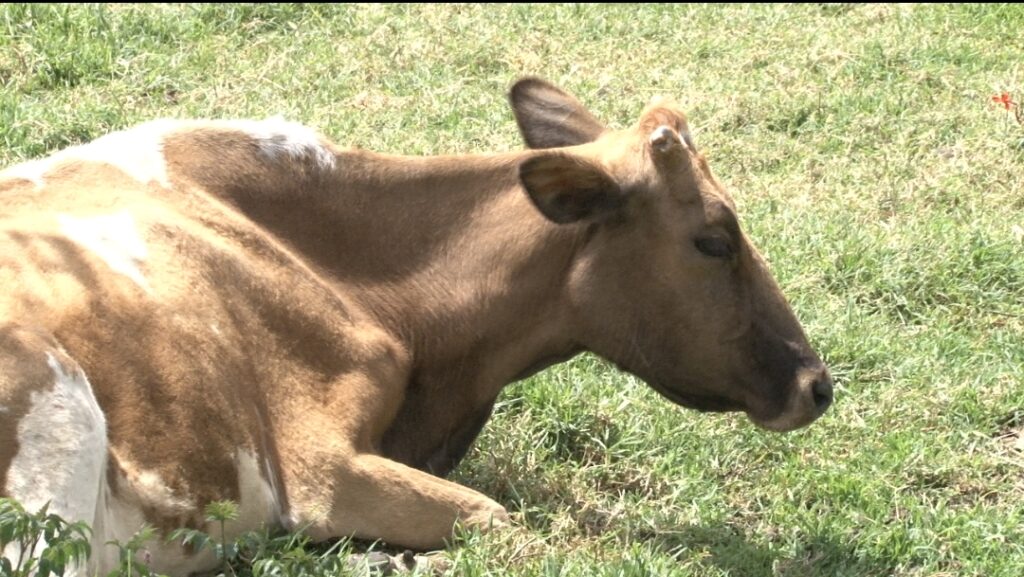
The affected cattle have developed wounds in their mouths and on their feet, making it difficult for them to walk and feed.
“The worst thing about this disease is the wounds that affect the legs and mouth. As you can see, none of the cows can barely move, and we are forced to feed them with soft food,” he said.
The father of four said the outbreak had dealt him a financial blow, with milk production dropping to zero while the cost of treating the animals continued to rise.
“I am lucky none of my animals has died, but I know farmers in my neighbourhood whose animals have died,” he said.
Chepkwony accused the county veterinary department of responding slowly to reports of the outbreak, saying early intervention could have prevented the disease from spreading to more farms.
He said farmers had reported the cases to veterinary officials but claimed little had been done to contain the outbreak.
“We reported to the relevant department, but what they have done is laughable. Up to now, no meaningful action has been taken, and this has allowed the disease to spread to more farms,” he said.
Chepkwony also raised concern over the continued operation of livestock markets, warning that farmers selling infected animals could accelerate the spread of the disease to unaffected areas.
“I believe the reason we are still seeing the disease spread from village to village is lack of action. Livestock auctions are still operating normally, and some farmers have opted to sell their sick animals, spreading the disease to other areas which are yet to be affected,” he said.
He called on the veterinary department to impose quarantine measures in livestock markets and affected areas to prevent further transmission.
However, Bomet Director of Veterinary Services Dr Wilson Serem played down the severity of the outbreak, saying the situation remained manageable.
Dr Serem said the first case was reported near Kapkelei Market in Sotik before spreading to other parts of the sub-county.
According to the veterinary director, the newly opened livestock auction in Sotik could be a major factor in the spread of the disease because traders from neighbouring counties bring animals to the market.
“To us, the epicentre is a newly opened livestock auction in Sotik, where animal traders from neighbouring counties cross to make their sales,” he said.
Serem said the county was planning to vaccinate livestock in an effort to contain the outbreak and prevent further spread.
On calls for quarantine measures, however, the director was non-committal, insisting that the situation was under control.
“There is no cause for alarm. The current situation is manageable, and we want to assure farmers that the department is working day and night to bring the situation to rest,” he said.
But farmer Nancy Sitienei accused the county government of dragging its feet in responding to the outbreak.
Sitienei said affected farmers were suffering significant financial losses and warned that they could be forced to demand compensation for livestock lost to the disease.