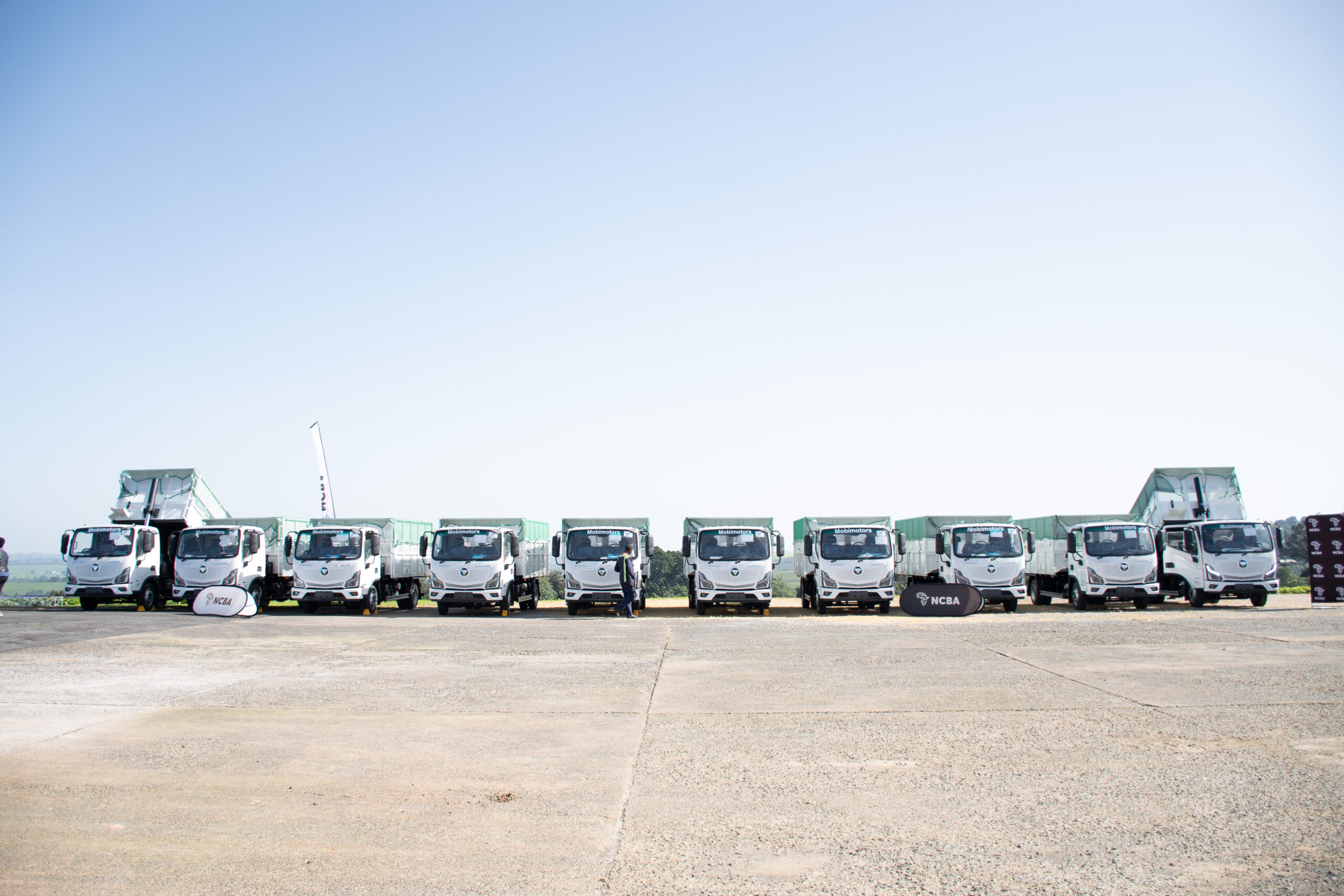
In a quiet revolution sweeping across the lush, rolling hills of Kenya’s prime tea-growing region, the familiar rumble of diesel engines is being replaced by the silent hum of electric motors.
Browns Plantations Kenya Limited has officially commissioned a fleet of 30 industrial electric trucks at its Kericho operations.
With the first 15 vehicles already deployed under Phase One, the move marks one of the region’s earliest and largest large-scale applications of electric mobility within industrial agricultural logistics.
The initiative moves the country’s e-mobility conversation beyond urban commuter routes and straight into the heart of estate-based agricultural supply chains.

A Shifting Landscape in Industrial Logistics
The rollout, executed in partnership with e-mobility pioneering firm ElandX and financial powerhouse NCBA Group, represents a deliberate, structural pivot toward low-carbon operations.
Rather than absorbing massive, upfront capital expenditures, Browns Plantations adopted an innovative “Fleet-as-a-Service” (FaaS) model designed by ElandX, backed by structured financing and leasing from NCBA Group.
This model allows the agricultural giant to scale its green transition dynamically as operational capacity and charging infrastructure mature.
To anchor the rollout, the company has established dedicated EV charging hubs across its various factories and estates, creating a self-sustaining ecosystem capable of powering heavy-duty transport.

“This deployment represents a fundamental shift in how we think about industrial logistics,” said Dushanth Ratwatte, Chief Executive Officer of Browns Plantations Kenya.
“We are integrating electric mobility into the core of our estate operations to improve efficiency, reduce emissions, and build a more resilient and future-ready production system.”
Powered by the Sun, Wind, and Water
What makes the transition particularly impactful is the source of the fuel. Unlike urban electric vehicles that often pull power from mixed-energy national grids, Browns Plantations’ fleet will run almost entirely on clean energy.
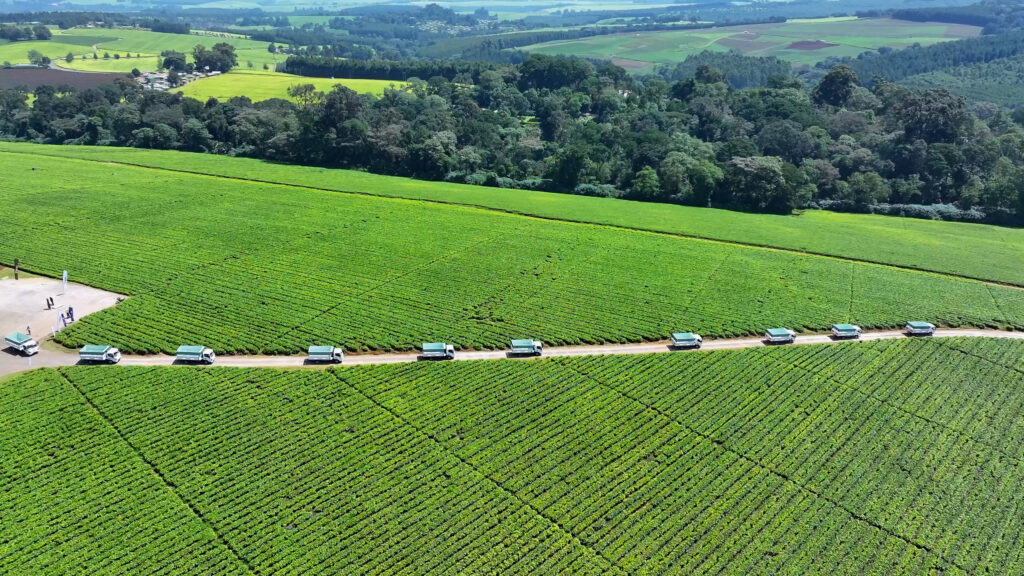
The company generates approximately 60% of its massive electricity demand from its own hydro and solar installations scattered across its vast estates.
The remaining 40% is drawn from Kenya’s national grid, which is itself a global leader in green energy, powered predominantly by geothermal, wind, and hydro sources.
The new electric trucks do not work in isolation. They build upon an existing, highly innovative low-carbon logistics network, working alongside the company’s unique Aerial Ropeway Conveyance System.
The ropeways transport freshly harvested tea leaves across challenging plantation terrain over long distances, drastically cutting down the company’s baseline reliance on diesel tractors and conventional lorries.
Global Trends, Local Footprints
The transition comes at a time of massive momentum for clean transport, both locally and globally.

Kenya has steadily accelerated its e-mobility transition through supportive policy directives, tax incentives, and growing private sector investments in clean transport infrastructure.
Globally, the shift is moving at a breakneck pace. Data from the International Energy Agency’s (IEA) Global EV Outlook highlights that global electric car sales jumped by 20% in 2025 alone, surging past 20 million units globally, with steep growth curves projected to continue through the end of the decade.
By moving heavy industrial machinery into the electric column, Browns Plantations Kenya is signaling that agriculture—the backbone of the Kenyan economy—is fully equipped to lead the continent’s green transition from the front.