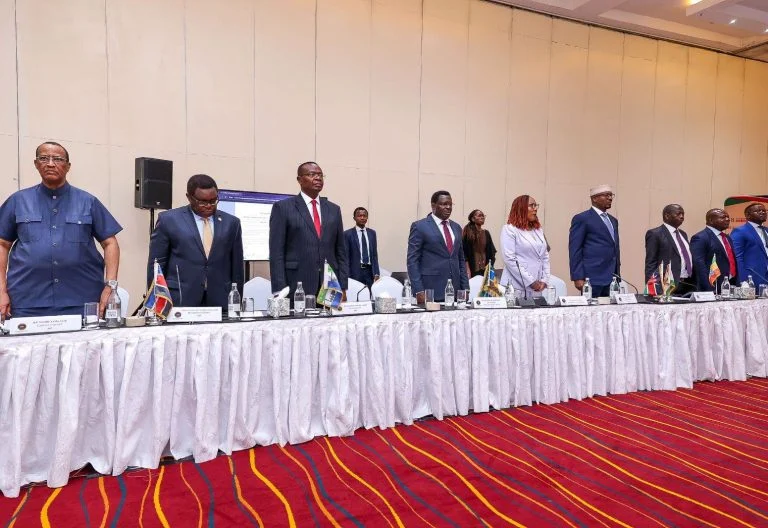
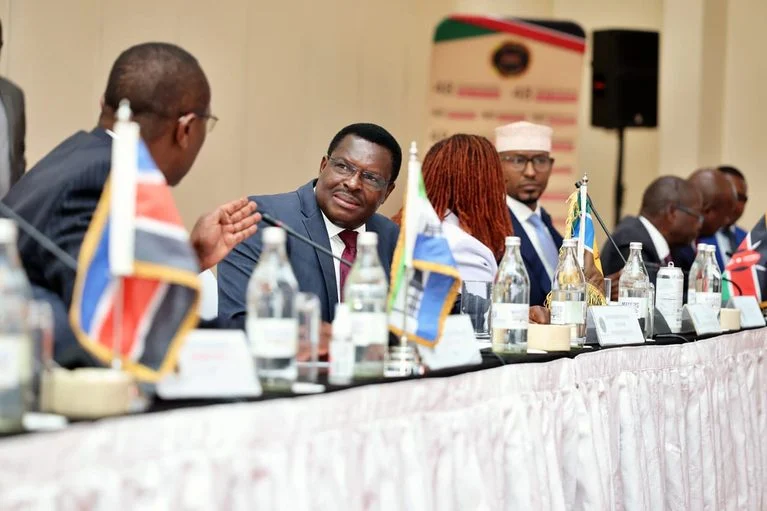
Tharaka-Nithi Governor Muthomi Njuki has been elected the new Chairman of the Council of Governors (CoG), succeeding Wajir Governor Ahmed Abdullahi in a leadership change that comes as counties continue to push for timely funding and greater support from the national government.
Njuki, who previously served as the council’s vice chairman, will lead the body representing Kenya’s 47 county governments, with Bungoma Governor Kenneth Lusaka elected as his deputy.
In a statement after the meeting, Lusaka said the agreement had helped prevent divisions within the council.
“Today, the Council of Governors opted for consensus in the election of its chair and vice chair, averting a division within our ranks,” Lusaka said.
He confirmed that Njuki would lead the council while he serves as deputy, pledging to work with fellow governors to protect devolution.
“My colleague, Governor Muthomi Njuki of Tharaka Nithi, will serve as chair, while I take up the position of vice chair,” he added.
The new leadership is expected to steer discussions on county financing, devolution and service delivery as governors seek solutions to persistent challenges affecting the running of devolved units.
One of the major issues facing county governments is the timely disbursement of funds from the national government. Delays in releasing allocations have often raised concerns over counties’ ability to pay staff, procure essential supplies and implement development projects.
Healthcare, water provision, roads, agriculture and local economic development are among the key sectors that depend on consistent funding to sustain services and meet residents’ needs.
As chairman, Njuki will be expected to coordinate governors’ positions on matters affecting counties and represent their collective interests in engagements with the national government and Parliament.
The Council of Governors also plays a central role in promoting cooperation among counties, sharing best practices and addressing administrative and legal challenges that arise in the implementation of devolution.
Njuki’s tenure will therefore be closely watched as county governments seek more predictable funding, stronger intergovernmental cooperation and greater capacity to deliver services.
His leadership, alongside Lusaka, is expected to shape the council’s approach to negotiations over resources and policies affecting the country’s devolved system of government.