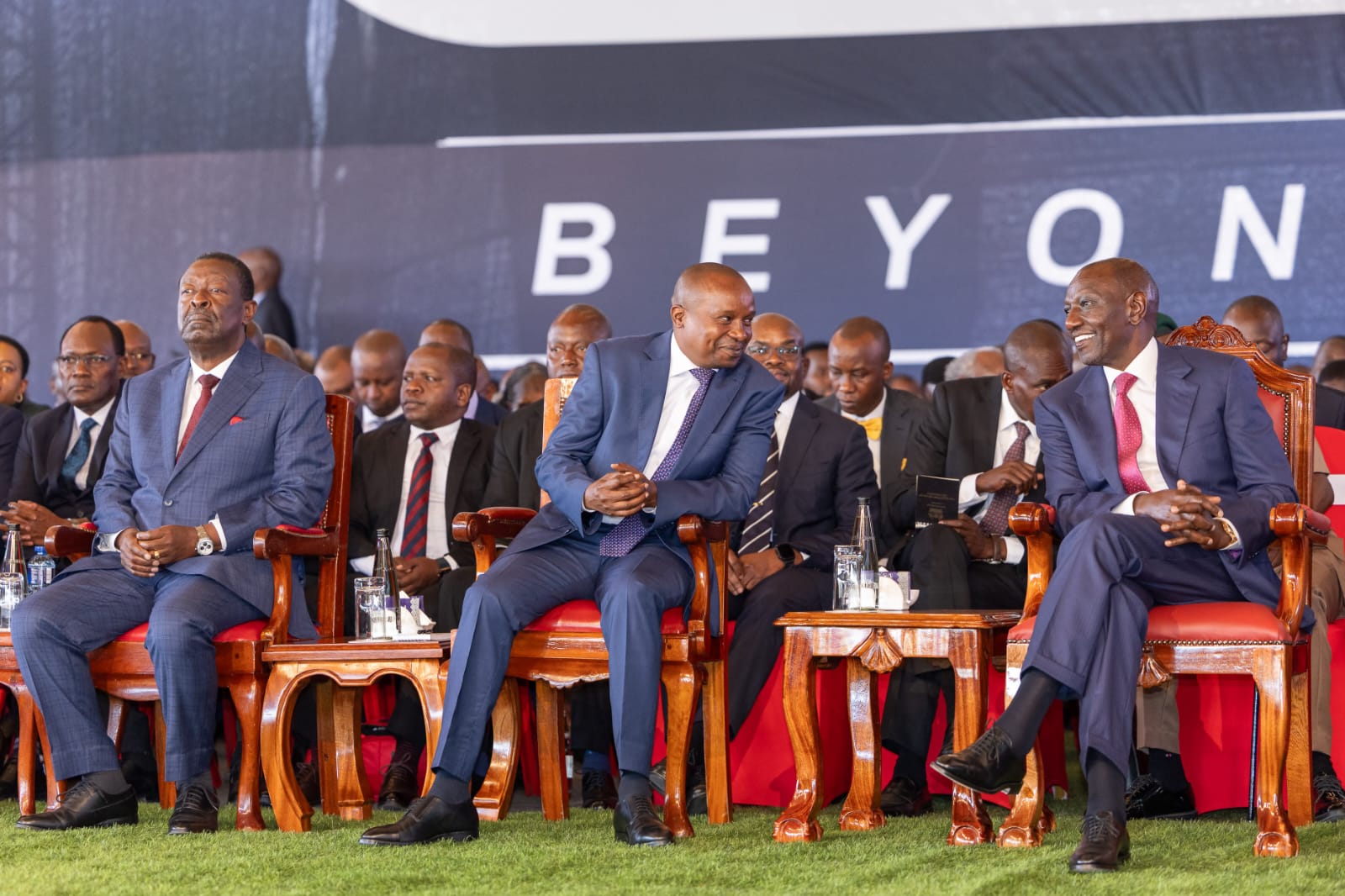
Deputy President Kithure Kindiki has called on leaders to stop politicising national development and protect the country from policy disruptions that could derail economic and social progress.
Speaking during the launch of the Vision 2060 on Wednesday, August 12, 2026, Kindiki said Kenya needs confidence, strong leadership and continuity in policy implementation regardless of changes in administration.
“And to depoliticize the development of our country. We can politicize everything else. Let us not politicize the development of our country, because if we do so, then we see some of the results that have created the kind of gaps that we have seen,” Kindiki said.
The Deputy President argued that frequent changes in policy direction have contributed to development challenges in many African countries and other developing nations.
“So, we need confidence in ourselves, the ability of our nation to rise. We need strong leadership, and we must insulate, as we have this conversation, this country from policy disruption,” he added.
Also Read: Governor Barchok reshuffles Bomet chief officers
Kindiki described policy disruption as the greatest threat facing developing countries, saying it often occurs when new administrations abandon or alter programmes initiated by their predecessors.
“The biggest threat of African countries, the biggest threat of the developing countries, is policy disruption, where some of the things that I have talked about have been put in place, but they are disrupted when there is a change of administration,” he said.
He warned against leaders pursuing personal interests instead of national priorities.
“Somebody comes with their ego as opposed to national interest and they want to change this, to change the other, to disrupt this, instead of perfecting the foundation on which our country has been raised,” Kindiki said.
The Deputy President’s remarks come amid growing political debate over government policies and development priorities as the country moves closer to the 2027 General Election.
Kindiki urged leaders across the political divide to support continuity in key national programmes, saying development should remain a shared national agenda rather than a casualty of political competition.